Pick by hairstyle, not by habit. A durag is tied snug and keeps short hair flat, so it suits 360 waves, short hair and starter locs. A bonnet is roomy and leaves hair its shape, so it suits curls, afros, twists, long braids and mature locs. A wave cap is the quick, tie-free option for the daytime or under a durag. Whichever you wear, keep it loose at the hairline: dermatologists warn that a covering worn tight, again and again, can lead to hair loss.
The question isn’t which one is better overall. It’s which one matches what your hair needs overnight: to be pressed flat, or to be left alone. The tables below do that matching, including the cases where sellers give conflicting advice.
Durag vs bonnet vs wave cap: the differences
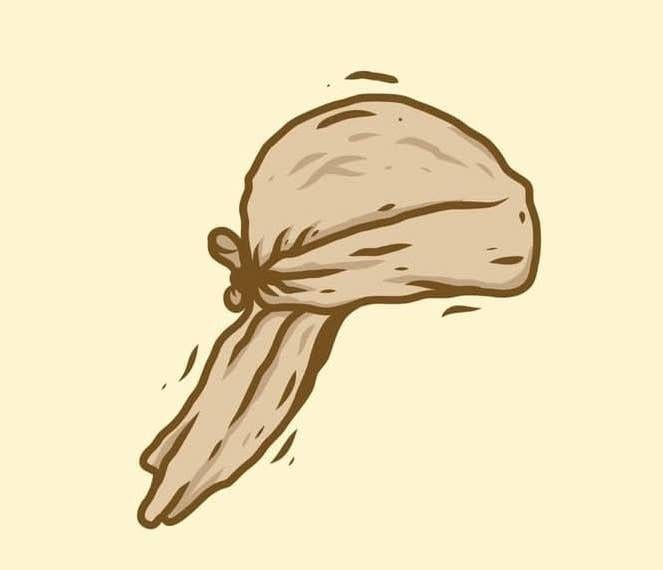
All three cover your hair so that a night on the pillow, or a day under a hat, doesn’t undo your style. The difference is pressure. A durag is a close-fitting cloth with long ties that you wrap around the head and knot at the back. A bonnet is a round cap with an elastic or drawstring band, roomy enough that hair keeps its shape inside. A wave cap is a stretchy close-fitting cap with no ties at all.
| Durag | Bonnet | Wave cap | |
|---|---|---|---|
| How it fits | Tied snug, with a flap over the neck | Loose, held by an elastic or drawstring band | Pulled on, stretchy, no ties |
| What it does to hair | Presses it flat and holds the direction you brushed | Leaves volume and curl shape alone | Holds lightly; can spread pressure under a durag |
| Hair length | Short hair | Medium to long, or lots of volume | Short hair |
| When people wear it | Overnight, and many wear it out as a style | Mostly overnight and at home | After brushing in the daytime, or under a durag at night |
| Adjustable? | Yes, by how tight you tie it (which is also the risk) | Only if it has a drawstring or adjustable band | No; fit depends on size |
Sources for the table: product guides from the bonnet maker Renessy and the satin brand Maison Satinéa, plus the Wikipedia entry on the durag. Both brands sell these products, so we only used points they agree on. Where they disagree, we say so below. If you’re also weighing a bandana, see durag vs bandana.
Here’s a silky tie-back durag on Amazon and a satin bonnet on Amazon as examples of each type. We haven’t tested either one.
Which one for your hairstyle?
One rule decides most cases: if the style depends on hair lying flat, use a durag (or a wave cap). If it depends on volume, length or curl shape, use a bonnet.
| Hairstyle | Best pick | Why | Watch out for |
|---|---|---|---|
| 360 waves | Durag, or wave cap under a durag | Keeps the brushed pattern pressed flat overnight | The durag holds waves; it doesn’t create them (see below) |
| Short hair, fades, a fresh cut | Durag or wave cap | Little length to protect; the goal is a neat, flat top | Optional: on a very short fade, a covering adds little |
| Starter locs, short twists | Durag or wave cap | Keeps young locs flat and in place while they settle | Switch to a bonnet once length makes the durag press locs down |
| Mature locs, long braids, long twists | Bonnet | Needs room for the full length without folding it | Pick a bonnet deep enough; one sizes too small will push on the hairline |
| Cornrows | Durag, or bonnet if braids are long | A durag keeps rows flat and neat; long braids need bonnet room | Tight cornrows already pull at the roots (AAD), so tie loosely |
| Twist-outs, curls, coils | Bonnet | A durag flattens the curl pattern you worked for | Thin cotton bonnets give more friction than satin |
| Afro | Bonnet (a large one) | Keeps volume; a durag would flatten the shape | A tight band can leave a dent at the edge |
| Relaxed or straightened hair | Bonnet, over hair wrapped flat | Protects the smooth finish from pillow friction | Don’t pull hair back tightly before covering it |
The case most guides get wrong is locs. Some say a durag is better for locs, others say a bonnet. Both are right at different stages. Short, new locs stay neater under a durag. Long, heavy locs don’t fit under one without being pressed and folded, so a bonnet works better. If your hair is curly but cut short, a fade is often easier to maintain than either; see fades for curly hair and fade haircuts for Black men.
Does a durag make waves?
No. The wave pattern comes from brushing, and from keeping at it over weeks. The durag holds the direction you brushed so a night of rubbing on the pillow doesn’t erase it. So the order is: brush, then tie the durag on right away, while the hair still lies in that direction. If your waves aren’t forming, look at your brush and how consistent you are before you buy another durag.
Can you wear a durag and a bonnet together?
Sellers disagree. Renessy says yes: the durag keeps short hair flat, and a bonnet on top holds the durag and covers any longer hair, as long as both are loose. Maison Satinéa says no: the two answer different hairstyles and aren’t meant to be stacked. The only layering both describe is a wave cap under a durag.
Our view (editorial, not a test): stacking makes sense only when your hair has two needs at once, such as cornrows on top with longer ends at the back. For waves alone, a bonnet on top adds nothing but heat. A wave cap under the durag spreads the pressure better. If you do stack, the risk is two bands pressing on the same spot at the hairline. Tie the durag only firmly enough to lie flat, and wear the bonnet loose.
Silk, satin, velvet or cotton?
Durags and bonnets come in the same fabrics. The fabric matters more than the shape for friction and frizz. One detail many guides blur: silk is a fiber, satin is a weave. Satin is often polyester, which is why it’s usually the cheaper option.
| Fabric | What it is | Good for | Trade-off |
|---|---|---|---|
| Silk | Natural fiber, smooth | Least catch on the hair | Costs more, needs gentle washing |
| Satin | A smooth weave, usually polyester | Similar smooth surface for much less money | Quality varies; cheap satin can feel hot |
| “Silky” polyester | The usual durag fabric | Slick, stretches a little, easy to wash | Doesn’t breathe much |
| Velvet | Soft pile outside, smooth lining inside | Durags worn as a style, colder weather | Check that the side touching your hair is smooth |
| Cotton | Natural fiber with a rougher surface | Breathes, absorbs sweat | More friction against the hair; best as an outer layer only |
The American Academy of Dermatology (AAD) says a head covering made of silk or satin is gentler on hair than other materials. You’ll also see precise numbers on shop pages, such as a percentage less friction or breakage for silk. We couldn’t trace those to an independent study, so we don’t repeat them.
Keep it loose: the hairline warning
What dermatologists say about tight coverings. The AAD lists the constant rubbing of a hat, head scarf or other hair covering as a possible cause of traction alopecia, hair loss from repeated pulling. The risk is higher if you pull your hair back tightly before covering it. Their advice: pull it back loosely beneath the covering, and choose silk or satin.
Signs that something is too tight, according to the AAD: pain from tightly pulled hair, stinging, crusts on the scalp, or “tenting” (the scalp pulled up like a tent). Early signs of hair loss are broken hairs around the forehead, a receding hairline or patches where hair is pulled tight. Once traction alopecia advances, the hair may not grow back. If you notice these signs, see a board-certified dermatologist early.
In practice: if the durag ties or the bonnet band leave a deep line across your forehead every morning, loosen the tie or buy the next size up. Don’t tie it tighter to stop it slipping. A wave cap under the durag or a bonnet with an adjustable band holds better without extra pressure. This page is general information, not medical advice. If your hairline is already receding for other reasons, our guide to hairstyles for a receding hairline covers cuts that work with it.
Durags outside, at school and at work
Bonnets are mostly seen as sleepwear and stay at home. Durags have a longer history as a style item. They come from the African American community, became a fashion statement during the Black Pride movement of the 1960s and ’70s, and were popularized again by rappers from the 1990s on (all per the Wikipedia entry).
They have also been banned in some places. The NBA’s 2005 dress code forbade players from wearing durags on league business. Some US high schools have tried to ban them; at John Muir High School in Pasadena, California, students walked out in protest in 2019 (also per Wikipedia).
The CROWN Act often comes up here. It bans race-based discrimination over hair texture and protective hairstyles such as braids, locs and twists. Its description doesn’t mention durags or other head coverings, so don’t assume it covers them. Whether you can wear a durag at school or work depends on that institution’s dress code. If you need a definite answer, check the written policy rather than a blog post, including this one.
Washing and price
Both pick up hair oils, product and sweat, so wash them regularly. Sellers agree on the method: wash by hand in cool or lukewarm water with a mild detergent, don’t wring silk or satin, lay it flat to air-dry, and skip the tumble dryer, which can stretch the elastic and ties. A second durag or bonnet covers the night while the first one dries.
Both are cheap compared with most hair products. On October 18, 2026, two durag brands’ own online stores listed durags at about $19 to $24 and wave caps at about $15 to $20; bonnet prices weren’t part of that check. Owning one of each makes sense if your hair changes, such as growing out a fade into locs.
FAQ
Can I use a durag instead of a bonnet?
Only if your hair is short or you want it flat, as with waves. For curls, twists, afros and long locs, a durag presses down the shape you want to keep, so a bonnet is the better choice.
Durag or bonnet for dreads?
It depends on length. Starter locs: a durag or wave cap keeps them flat while they settle. Long, mature locs: a bonnet deep enough for their full length. See the hairstyle table.
Durag or wave cap?
A durag holds more firmly and can be adjusted, so it’s the usual pick for sleeping with waves. A wave cap is quicker to put on and works in the daytime or under a durag. Sellers disagree about which one presses harder, so go by comfort and how your waves look in the morning.
Is a durag considered a hat?
There’s no single rule. Some dress codes treat durags as headwear and ban them, as the NBA’s 2005 code did. Others don’t mention them at all. Check the written policy of the school or employer. See Durags outside, at school and at work.
Should you sleep in a durag every night?
Many people with waves do, and that’s fine as long as it’s loose. Watch your hairline for the signs listed in the hairline box, and give your scalp a break if the tie leaves marks or hurts.
Bottom line
Flat style, short hair or waves: durag, with a wave cap if you want lighter hold or less pressure. Volume, curls or length: bonnet. In between, as with locs that are growing out, switch when the hair gets too long to lie flat. Choose silk or satin against the hair, and tie it only as tight as it needs to be to stay on.

Axel Lander is the founder and editor of ReadySleek. He publishes practical guides on men’s style, grooming, and fragrance, with a focus on clear comparisons, value, and the trade-offs readers should know before deciding.