Fades and afro-textured hair are a natural match – the density and curl pattern of coily hair holds shape at the top while the faded sides stay crisp. That’s why almost every iconic haircut for Black men is built on some version of a fade.
This guide covers the fade styles that work best with coily and kinky hair textures, the guard lengths behind them, and – just as important – exactly how to ask your barber so you walk out with what you pictured.
Quick answer: The most reliable choices are a low taper fade (clean, professional, works with any length on top) and a mid drop fade (the modern default). If you wear waves or sponge curls, keep the fade low or mid so the pattern on top stays the star.
Torn between the two taper heights? Our low vs mid taper comparison breaks the decision down.
The Best Fade Styles for Black Men
1. Low Taper Fade
The safest and most versatile option: the hair shortens gradually just around the temples and neckline, keeping most of the sides intact. It reads professional in any office, needs the least upkeep of any fade, and pairs with everything from a short afro to twists. Ask for: “low taper, blend it clean, line me up.”
2. Mid Fade (The Modern Default)
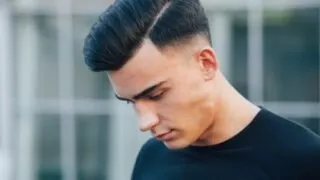
Starts around the temple line and gives you clear contrast without going skin-high. This is the fade you see most in 2026 – bold enough to frame curls or waves on top, conservative enough for work. Pairs especially well with a skin finish at the bottom edge.
3. High Fade
Maximum contrast: sides taken down high, all the attention on top. Works best with a defined shape up top – a flat top, heavy curls, or an afro. It grows out fastest, so budget a barber visit every 1–2 weeks to keep it sharp.
4. Drop Fade
The fade line arcs down behind the ear, following the head’s natural curve. It keeps more hair at the crown – which flatters rounder head shapes and gives curls on top a fuller frame. One of the most-requested styles in barbershops right now.
5. Burst Fade
A half-circle fade radiating around the ear while the neckline stays natural – the foundation of the modern mullet-and-mohawk revival. Bold, youthful, and best if your barber has real clipper skill; it’s not a style to gamble on a walk-in.
6. Temple Fade (Brooklyn Fade)
Only the temples and the nape get faded – subtle, quick, and the classic complement to waves. If you’re wearing a wave pattern, this is the fade that shows it off without cutting into it.
7. Waves + Low Fade
360 waves with a low fade and a sharp line-up is a timeless combination. The fade keeps the edges clean while the wave pattern stays untouched. Maintenance lives at home: brush sessions, a durag at night, and moisture – the barber just maintains the frame.
8. Sponge Curls + Mid Fade
Tight, defined curls on top (built with a curl sponge) over a mid fade. Low styling effort for a high-impact result – a few minutes with the sponge on damp, moisturized hair does the work.
9. Buzz Cut + Line-Up
An even all-over cut with a razor-sharp line-up (edge-up) at the hairline. Simple, masculine, and the line-up does all the talking. If your hairline is receding, a skilled barber can square it subtly – or you can go shorter and own it (see our no-guard buzz cut guide).
10. Flat Top Fade
The heritage pick – geometric, structured, unmistakable. It demands dense, healthy hair and a barber who can carve straight lines, plus a pick and patience at home. High effort, high reward.
Guard Numbers: What to Tell Your Barber
| Fade area | Typical guards | Note |
|---|---|---|
| Skin/bald section | Foil shaver or no guard | The “zero gap” at the bottom |
| Transition zone | #0.5–#2 (1.5–6mm) | Where the blend happens |
| Upper sides | #2–#3 (6–9mm) | Meets the top length |
| Top (short styles) | #3–#5 (9–16mm) | Sponge curls need ~#4+ |
More on how the numbers translate to millimeters in our buzz cut length guide.
How to Ask Your Barber
- Bring a photo. Even barbers who know you will cut more accurately from a reference.
- Name three things: fade height (low/mid/high), bottom length (“down to skin” or a number), and what stays on top (“don’t touch the curls, just shape”).
- Say “taper” if you want subtle. A taper only shortens temples and neckline; a fade takes the whole side down. Mixing the two words up is the #1 cause of walking out unhappy.
- Ask for the line-up last – “line me up, natural corners” keeps the hairline realistic and easier to maintain as it grows.
Keeping It Sharp
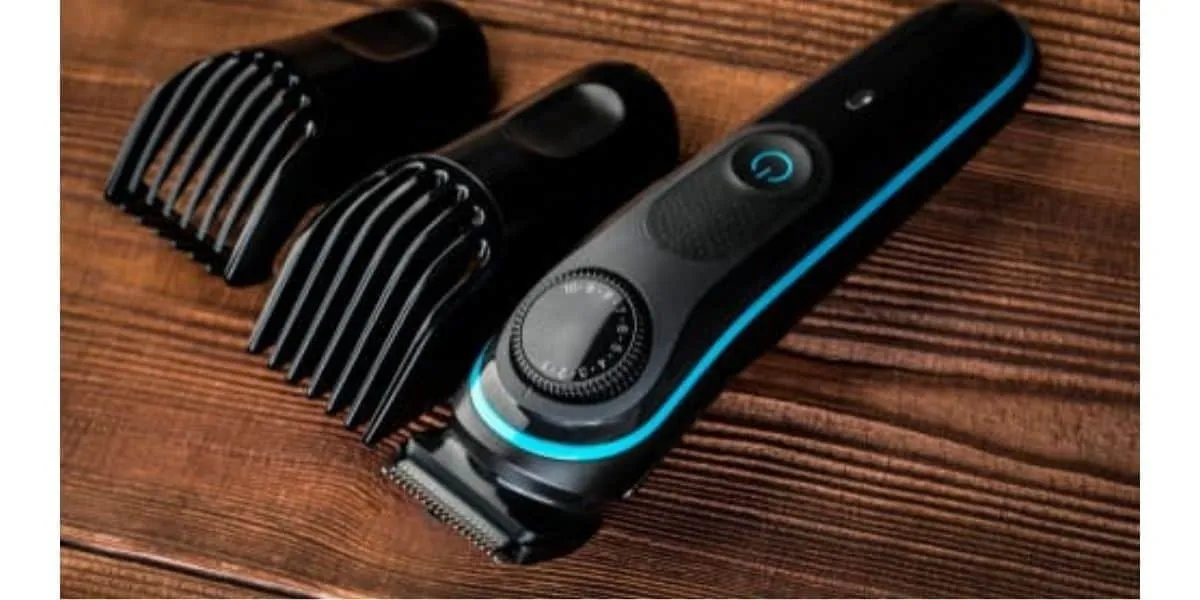
Fades on coily hair look best in week one and acceptable in week two – plan barber visits every 1–2 weeks for high fades, every 2–3 for low tapers. Between visits: moisturize daily (leave-in or light oil), sleep with a durag if you wear waves, and resist the urge to self-edge your hairline – pushing it back crooked takes months to fix. For the tools worth owning at home, see our hair styling products and trimmer guides, and browse all haircut guides in our hairstyles library.
Frequently Asked Questions
Which fade grows out best if I can’t get to the barber often?
A low taper fade. Because only the edges are short, the grow-out stays presentable for 3–4 weeks. High and skin fades show their age within days.
Do fades work with a beard?
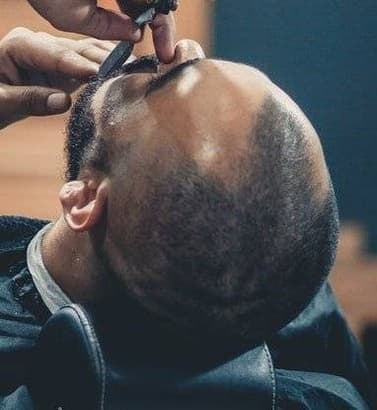
Very well – ask your barber to “fade the beard into the cut.” The sideburn area transitions from hair length down into beard length, one continuous gradient. It’s the cleanest way to connect a full beard to a short haircut.
What’s the difference between a taper and a fade?
A taper shortens only the temples and neckline gradually; a fade takes the entire back and sides down to a much shorter length. Tapers are subtler and grow out slower; fades give more contrast.

Axel Lander is the founder and editor of ReadySleek. He publishes practical guides on men’s style, grooming, and fragrance, with a focus on clear comparisons, value, and the trade-offs readers should know before deciding.