Razor burn — that angry, red, burning skin after shaving — is one of the most common grooming complaints among men. It’s not just uncomfortable; it looks bad and can lead to more serious problems like folliculitis and hyperpigmentation.
The good news: razor burn is almost entirely preventable. This guide covers the science behind why it happens and exactly how to stop it.
What Causes Razor Burn?
Razor burn is friction-induced skin irritation. It happens when:
- The blade drags across skin instead of gliding — caused by insufficient lubrication, dull blades, or too much pressure
- The top layer of skin gets stripped — over-shaving the same area removes the stratum corneum (protective layer)
- Micro-cuts trigger inflammation — tiny, invisible cuts get infected by bacteria, causing redness and bumps
Razor burn is different from razor bumps (pseudofolliculitis barbae), where ingrown hairs curl back into the skin and cause bumps. Though they often occur together.
10 Ways to Prevent Razor Burn
1. Prep Your Skin (The Most Important Step)
Shave immediately after a warm shower, or hold a warm, wet towel against your face for 2–3 minutes. This:
- Softens facial hair by up to 60%
- Opens pores for a closer shave
- Hydrates the skin surface
Never shave on dry skin. This is the #1 cause of razor burn.
2. Use a Quality Shaving Cream (Not Foam)
Aerosol foams contain alcohol, propane, and isobutane — they dry out skin and provide minimal lubrication. Switch to a shaving cream or gel that you lather with your hands.
Look for ingredients like glycerin, aloe vera, and shea butter. Avoid products with alcohol or menthol if you’re prone to irritation.
3. Shave With the Grain
Always shave in the direction your hair grows (usually downward on cheeks, outward on neck). Shaving against the grain gives a slightly closer shave but dramatically increases irritation risk.
If you need a closer result, do a second pass across the grain (perpendicular) — never against.
4. Use a Sharp Blade (Replace Every 5–7 Shaves)
Dull blades require more pressure and more passes, creating more friction. If you feel the blade pulling or tugging, it’s time to replace it.
Single-blade razors (safety razors) cause less irritation than multi-blade cartridges because they make one cut per pass instead of 3–5.
5. Light Pressure Only
Let the weight of the razor do the work. Pressing hard doesn’t give a closer shave — it just removes more skin. This is especially important with cartridge razors.
6. Rinse the Blade Between Strokes
Hair and cream buildup between blades creates dragging. Rinse under warm water after every 1–2 strokes.
7. Don’t Go Over the Same Area Repeatedly
Every pass removes a microscopic layer of skin. Limit to 2 passes maximum over any area. If you missed a spot, use a precision stroke with the blade angle adjusted.
8. Cold Water Rinse After Shaving
Rinse your face with cold water immediately after shaving. This constricts blood vessels, reduces inflammation, and closes pores.
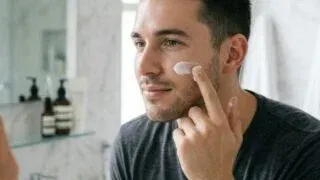
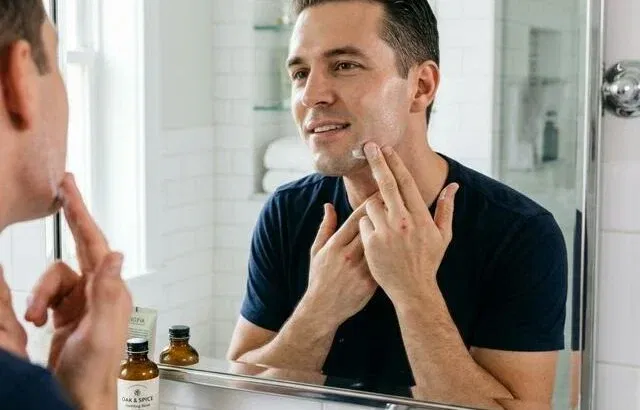
9. Apply an Alcohol-Free Aftershave
Skip the traditional alcohol-based splash — it stings because it’s literally pouring ethanol into micro-cuts.
Use an aftershave balm with these ingredients:
- Aloe vera — Anti-inflammatory and soothing
- Witch hazel — Natural astringent without the harshness of alcohol
- Allantoin — Promotes skin healing
- Niacinamide — Reduces redness (see our niacinamide guide)
10. Moisturize
Finish with a fragrance-free moisturizer to restore the skin barrier. If it’s morning, use one with SPF (check our SPF moisturizer guide).
Treating Existing Razor Burn
If you already have razor burn:
- Stop shaving the affected area until it heals (24–72 hours)
- Apply 1% hydrocortisone cream for severe redness (2–3 days max)
- Use aloe vera gel — pure, cold from the fridge for maximum relief
- Don’t touch or scratch — this introduces bacteria
- Apply antibiotic ointment if bumps appear infected (pus-filled)
Razor Burn vs. Razor Bumps vs. Folliculitis
- Razor burn: General redness and irritation. Appears immediately. Usually resolves in 24–48 hours.
- Razor bumps: Raised bumps from ingrown hairs. Appear 1–3 days after shaving. More common in men with curly hair.
- Folliculitis: Bacterial infection of hair follicles. Pus-filled bumps. May need medical treatment.
Should You Switch to Electric?
Electric shavers don’t cut as close to the skin, which means less irritation. If you get razor burn no matter what you try with a blade:
- Electric foil shavers are the gentlest option
- The Braun Series 9 and Philips 9000 are excellent for sensitive skin
- Always use pre-shave oil even with electric shavers
FAQ
How long does razor burn last?
Mild razor burn resolves in 24–48 hours. Severe cases with bumps can take 5–7 days. If it lasts longer than a week, see a dermatologist.
Does cold water prevent razor burn?
Cold water after shaving helps reduce inflammation, but prep with warm water before shaving. The prep is what prevents razor burn; cold water is damage control.
Should I shave every day if I get razor burn?
No. Give your skin at least 48 hours between shaves if you’re prone to irritation. If your job requires daily shaving, switch to an electric shaver.
Can women’s razors help?
Actually, yes. Women’s razors often have more lubrication strips and are designed for curves. There’s no shame in using whatever works.
Is aftershave splash bad for you?
Traditional alcohol-based splash is harsh on the skin. Switch to an aftershave balm with soothing ingredients instead. Your skin will thank you.
For a complete approach to skincare that prevents irritation, read our men’s skincare routine guide. If you’re considering growing out your facial hair instead, check out our ultimate beard guide.

Axel is the founder of ReadySleek and has spent over 5 years researching and testing men’s grooming products, skincare routines, and hair loss treatments. His work combines hands-on product testing with insights from dermatologists and trichologists to deliver evidence-based grooming advice.
He specializes in men’s skincare (including ingredient analysis of retinol, niacinamide, and SPF), hair loss science (minoxidil, finasteride, hair transplants), men’s fragrance (with 80+ colognes personally tested), and body grooming techniques.
When he’s not reviewing the latest grooming products, Axel focuses on making complex grooming topics accessible and actionable for everyday guys.