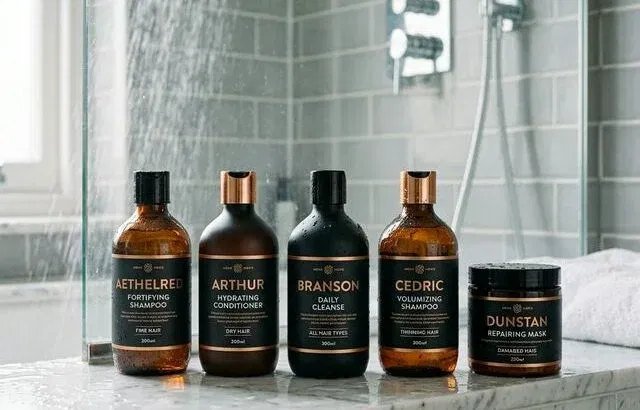
Your shampoo matters more than your styling product. A great pomade on damaged, overwashed hair still looks bad. A good shampoo on healthy hair looks great even without product. Most men grab whatever 3-in-1 bottle is cheapest — and that’s why their hair feels like straw. Here are the best shampoos for men in 2025, categorized by hair type and concern.
Best Shampoos for Men: Top Picks
| Product | Price | Best For | Key Ingredient |
|---|---|---|---|
| Brickell Daily Strengthening | $20 | Best overall — all hair types | Peppermint, Tea Tree |
| Jack Black True Volume | $24 | Best for thin hair — volumizing | White Lupine Protein |
| Baxter of California Daily | $20 | Best for styling — product-friendly | Vitamin E, Coconut |
| Nizoral Anti-Dandruff | $15 | Best for dandruff/scalp issues | Ketoconazole 1% |
| Olaplex No. 4 | $30 | Best for damaged hair — repair | Bond-building technology |
| Every Man Jack 2-in-1 | $8 | Best budget — simple and effective | Coconut, Tea Tree |
Shampoo by Hair Type
Oily Hair
Look for clarifying or deep-cleansing shampoos with tea tree oil, peppermint, or charcoal. These cut through oil without stripping too aggressively. Don’t overwash — shampooing oily hair every day actually makes it oilier because your scalp overcompensates. Try every other day and see the difference.
Dry Hair
Look for moisturizing shampoos with argan oil, coconut oil, or shea butter. Sulfate-free formulas are essential — sulfates (SLS/SLES) strip natural oils aggressively. Also, consider washing only 2-3 times per week. On non-wash days, rinse with water and use conditioner only.
Thin/Thinning Hair
Volumizing shampoos with biotin, caffeine, or keratin add body without weight. Avoid heavy moisturizing shampoos — they weigh thin hair down. If you’re experiencing hair loss, a DHT-blocking shampoo with ketoconazole or saw palmetto can help slow thinning. Pair with minoxidil for best results.
How Often Should Men Shampoo?
| Hair Type | Recommended Frequency | Why |
|---|---|---|
| Very oily | Every day or every other day | Oil production is high |
| Normal | 3-4 times per week | Balance between clean and natural oils |
| Dry | 2-3 times per week | Preserve natural moisture |
| Curly/Coily | 1-2 times per week | Curly hair dries out quickly |
| Heavy product user | Daily (or use co-wash) | Need to remove buildup |
Frequently Asked Questions
Are 2-in-1 and 3-in-1 shampoos bad?
They’re convenient but mediocre at everything. Shampoo opens the hair cuticle to clean; conditioner closes it to smooth. Doing both at once means neither works optimally. A 2-in-1 is better than not conditioning at all, but separate products will always perform better. If you currently use 3-in-1, just switching to separate shampoo and conditioner will noticeably improve your hair.
What is sulfate-free shampoo and do I need it?
Sulfates (SLS/SLES) are the foaming agents in most shampoos. They clean effectively but can strip natural oils aggressively. Sulfate-free shampoos foam less but clean more gently. You need sulfate-free if: you have dry, damaged, color-treated, or curly hair. You don’t necessarily need it if: you have oily hair and prefer the deep-clean feeling of sulfate shampoo.
Related Articles
- Hair Products Explained: Pomade vs Wax vs Clay
- Best Pomade for Men
- Best Hair Clay for Men
- How to Style Men’s Hair
- Men’s Hair Loss Guide

Axel is the founder of ReadySleek and has spent over 5 years researching and testing men’s grooming products, skincare routines, and hair loss treatments. His work combines hands-on product testing with insights from dermatologists and trichologists to deliver evidence-based grooming advice.
He specializes in men’s skincare (including ingredient analysis of retinol, niacinamide, and SPF), hair loss science (minoxidil, finasteride, hair transplants), men’s fragrance (with 80+ colognes personally tested), and body grooming techniques.
When he’s not reviewing the latest grooming products, Axel focuses on making complex grooming topics accessible and actionable for everyday guys.