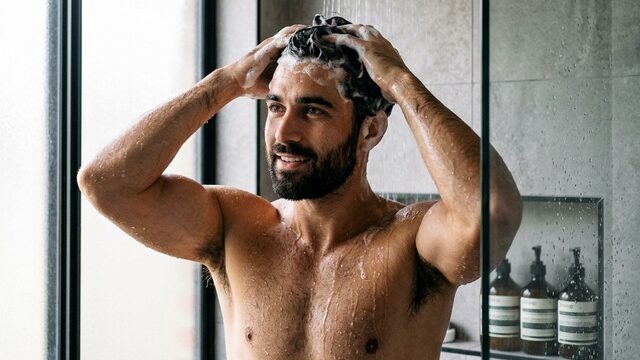
Ketoconazole shampoo is the unsung hero of hair loss treatment. While minoxidil and finasteride get all the attention, ketoconazole shampoo is a proven supporting treatment that reduces scalp inflammation and has mild anti-androgenic activity – meaning it fights DHT directly at the follicle level.
But not all “DHT-blocking” shampoos are created equal. Some use the clinically proven ingredient (ketoconazole), while others rely on unproven botanicals with zero evidence. Here’s what actually works.
How DHT Shampoos Work
DHT (dihydrotestosterone) doesn’t just circulate systemically – it’s also produced locally in scalp tissue. Ketoconazole shampoos work through two mechanisms:
- Anti-androgenic activity – Ketoconazole disrupts DHT pathways at the follicle level, similar to (but weaker than) finasteride
- Anti-inflammatory – Reduces scalp inflammation and microflora that contribute to follicle damage and shedding
A key 1998 study found that ketoconazole 2% shampoo used 2–4x/week increased hair density and size comparably to minoxidil 2%.
The 5 Best DHT Blocker Shampoos
1. Nizoral A-D Anti-Dandruff Shampoo – Best Overall
Active: 1% ketoconazole | Evidence: ⭐⭐⭐⭐⭐ | Price: ~$15
The gold standard. Nizoral is the most-studied and most-recommended anti-hair-loss shampoo by dermatologists. The 1% ketoconazole formula is OTC; prescription 2% is available through a doctor. Use 2–3x per week, leave on scalp for 3–5 minutes before rinsing. Alternate with a regular moisturizing shampoo on other days (ketoconazole can be drying).
2. Revita Hair Stimulating Shampoo – Best Multi-Ingredient
Active: Ketoconazole, caffeine, biotin, niacinamide | Evidence: ⭐⭐⭐⭐ | Price: ~$28
DS Laboratories’ Revita combines ketoconazole with a cocktail of hair-supportive ingredients. Caffeine stimulates follicles, biotin supports keratin production, and niacinamide reduces inflammation. More expensive than Nizoral but provides a more comprehensive approach. Pleasant scent and good lather.
3. Ultrax Labs Hair Surge – Best Caffeine Shampoo
Active: Caffeine compounds, ketoconazole, saw palmetto | Evidence: ⭐⭐⭐ | Price: ~$35
High caffeine concentration designed to stimulate follicles during wash. Contains both ketoconazole and saw palmetto for a dual anti-DHT approach. The thick, luxurious lather and minty tingle feel premium. One of the highest-rated hair loss shampoos on Amazon with 60,000+ reviews.
4. Pura D’or Anti-Thinning Shampoo – Best Natural
Active: Biotin, saw palmetto, pumpkin seed, argan oil, nettle | Evidence: ⭐⭐ | Price: ~$30
For men who prefer a natural/botanical approach. Contains 17 DHT-blocking botanicals including saw palmetto, nettle, and pumpkin seed. No ketoconazole, so evidence is weaker than Nizoral. However, the formula nourishes hair and scalp effectively, and many users report reduced shedding. No sulfates, parabens, or artificial fragrances.
5. Lipogaine Big 3 Shampoo – Best Clinical Formula
Active: 1% ketoconazole, biotin, saw palmetto, emu oil | Evidence: ⭐⭐⭐⭐ | Price: ~$25
Combines the three most-studied hair loss shampoo ingredients: ketoconazole, biotin, and saw palmetto. Emu oil penetrates the scalp deeply, potentially enhancing ingredient absorption. Less drying than Nizoral thanks to the emu oil and gentler surfactants. Excellent for daily use without alternating.
How to Use DHT Shampoo Correctly
- Frequency: 2–4x per week for ketoconazole shampoos. Daily use can dry the scalp
- Leave-on time: Let the shampoo sit on your scalp for 3–5 minutes – don’t just lather and rinse. The active ingredients need contact time
- Massage into scalp: Focus application on thinning areas. The shampoo needs to contact the scalp, not just the hair
- Combine with other treatments: DHT shampoo works best as a supporting treatment alongside minoxidil and/or finasteride. It’s not a standalone solution
Frequently Asked Questions
Can shampoo alone stop hair loss?
Unlikely as a standalone treatment. Ketoconazole shampoo can slow shedding and support hair density as a supplement to minoxidil and/or finasteride. Think of it as the third pillar of a comprehensive approach, not a replacement for proven treatments. For the complete protocol, see our hair loss guide.
Nizoral 1% vs 2%: which is better?
2% ketoconazole (prescription only) is more effective in clinical studies but also more drying. 1% (OTC) is effective enough for most men and easier to obtain. Start with 1%, and if you want stronger results, ask your dermatologist for a 2% prescription.
Related: Hair Loss Treatment Resources
Related Articles
- Best DHT Blocker Shampoos for Men (2025): Do They Actually Work?
- Best Scalp Moisturizers for Bald Men in 2025: Stop the Dry, Flaky Look
- Best Shampoo for Men in 2025: For Every Hair Type and Concern
- Does Wearing a Hat Cause Hair Loss? The Myth Debunked
- Does Creatine Cause Hair Loss? What the Science Actually Says

Axel Lander is the founder and editor of ReadySleek. He publishes practical guides on men’s style, grooming, and fragrance, with a focus on clear comparisons, value, and the trade-offs readers should know before deciding.