Zara and H&M are the two biggest fast-fashion brands in the world — and for men looking to build a stylish wardrobe on a budget, they’re often the first options considered. But despite sitting in the same price bracket, they offer very different shopping experiences.
Here’s exactly how Zara and H&M compare in quality, style, pricing, and overall value for men.
Beyond these two, our stores like Zara roundup covers the whole field – from Mango to COS.
The Short Answer
Zara offers more fashion-forward, runway-inspired pieces with better construction — at roughly 2x the price. H&M wins on affordability and basic essentials, but quality is more inconsistent. Choose Zara for style, H&M for budget basics.
Head-to-Head Comparison
| Feature | Zara | H&M |
|---|---|---|
| Founded | 1975 (Spain) | 1947 (Sweden) |
| Parent Company | Inditex | H&M Group |
| Price Range | $$ | $ |
| T-Shirt Price | ~$15–$40 | ~$5–$15 |
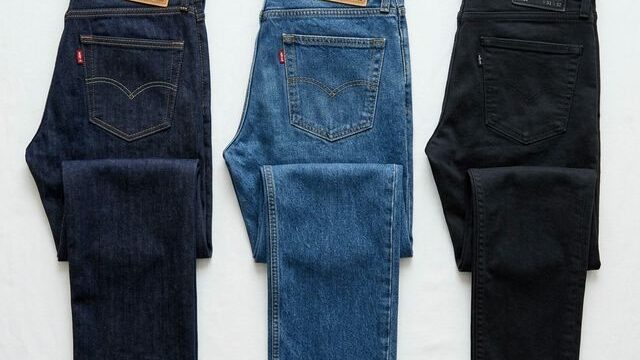
| Jeans | ~$40–$70 | ~$20–$40 |
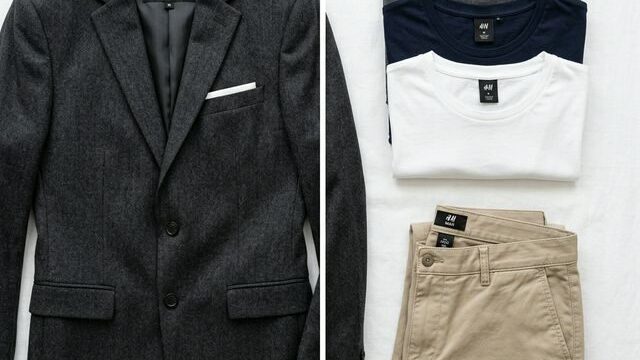
| Blazers | ~$90–$200 | ~$40–$80 |
| Quality | Good (structured, polished) | Varies (basics good, trends weak) |
| Style DNA | Runway-inspired, modern European | Casual basics, relaxed Scandinavian |
| Fit | Slim, tailored (may run small) | Relaxed, wider range including extended sizes |
| Turnaround | New items every 2–3 weeks | Seasonal collections + basics |
Quality
Zara generally uses better materials and more careful construction. Their pieces tend to have more structured fabrics, cleaner stitching, and more polished finishes. Blazers and outerwear in particular punch above their price point — they use quality wool blends, properly lined interiors, and functional buttons that give a premium look.
H&M’s quality is a mixed bag. Their basics (plain T-shirts, underwear, simple chinos) are genuinely good value — often using decent cotton at rock-bottom prices. But their fashion-forward pieces tend to use more polyester and synthetic blends that pill, lose shape, or feel cheap after a few washes.
The rule of thumb: H&M basics compete with brands twice their price. H&M trend pieces often look and feel like their price.
Style and Design
Zara is the clear winner for style-conscious men. Their design team replicates luxury runway trends within weeks — you’ll find minimalist European cuts, slim-fitting blazers, and sleek outerwear that look far more expensive than they cost. Zara’s aesthetic leans modern, clean, and slightly edgy.
H&M takes a broader, more casual approach. More relaxed fits, more basics-heavy collections, and a Scandinavian simplicity that doesn’t try to be fashion-forward. H&M’s strength is providing solid wardrobe foundations — plain T-shirts, simple chinos, hoodies, and everyday essentials.
Fit and Sizing
Zara tends to run slim and can be inconsistent between collections. If you’re between sizes, size up. Their European sizing can catch American shoppers off-guard.
H&M offers more standard, relaxed fits. They also offer extended sizing up to 4XL in many lines, making them more size-inclusive than Zara.
Which Should You Choose?
Choose Zara if:
- You want modern, fashion-forward clothing
- You’re building a polished smart-casual wardrobe
- You value better construction and materials
- You want pieces that look more expensive than they are
Choose H&M if:
- You prioritize value and rock-bottom pricing
- You need reliable everyday basics
- You want extended sizing options
- You’re building a casual, low-maintenance wardrobe
Frequently Asked Questions
Is Zara better quality than H&M?
Generally yes. Zara uses more structured fabrics and better finishing, especially in outerwear and tailored pieces. However, H&M’s basic staples (plain tees, underwear) are excellent value and comparable in quality to brands at higher price points.
Why is Zara more expensive than H&M?
Zara uses better materials, more polished construction, and produces in smaller batches with faster turnaround from European-based factories. H&M’s high-volume production model keeps prices lower but sacrifices some quality consistency.
Can you build a complete wardrobe from just one of these brands?
Yes for basics, but many men mix both: H&M for everyday essentials (T-shirts, underwear, socks) and Zara for statement pieces (blazers, jackets, trousers). This gives you the best value across your wardrobe.

Axel Lander is the founder and editor of ReadySleek. He publishes practical guides on men’s style, grooming, and fragrance, with a focus on clear comparisons, value, and the trade-offs readers should know before deciding.