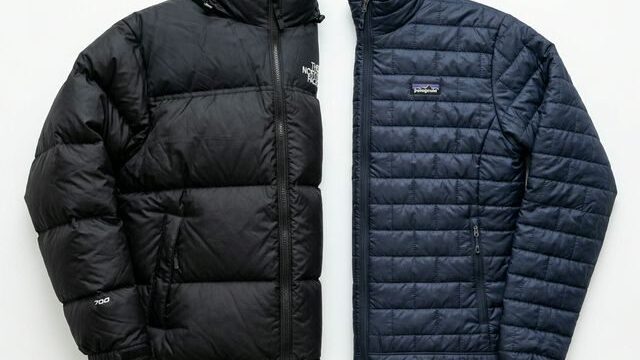
North Face and Patagonia are the two most iconic outdoor brands — and they compete head-to-head in almost every category: jackets, fleeces, backpacks, and technical outerwear. But they approach outdoor gear from fundamentally different philosophies.
The Short Answer
Patagonia prioritizes sustainability, durability, and understated design — you pay a premium for the most eco-conscious outdoor gear on the market. North Face leads in technical innovation, broader product range, and sportier aesthetics — at slightly lower prices. Both make excellent gear; the choice reflects your values as much as your outdoor needs.
Head-to-Head Comparison
| Feature | North Face | Patagonia |
|---|---|---|
| Founded | 1966 (San Francisco) | 1973 (Ventura, CA) |
| Parent Company | VF Corporation | Private (Holdfast Collective) |
| Price Range | $$ – $$$ | $$$ – $$$$ |
| Down Jacket Price | ~$180–$400 | ~$230–$500 |
| Fleece Price | ~$60–$180 | ~$100–$250 |
| Sustainability | Improving (recycled materials) | Industry leader (1% for the Planet) |
| Waterproof Tech | DryVent, FUTURELIGHT, Gore-Tex | H2No Performance Standard |
| Insulation | ThermoBall, 550–700 fill down | PrimaLoft, 600–800 fill down |
| Style DNA | Sporty, urban, technical | Minimalist, functional, eco-conscious |
| Warranty | Lifetime warranty | Ironclad Guarantee + Worn Wear repair |
Quality and Durability
Both brands produce high-quality gear, but Patagonia has a slight edge in raw durability. Their gear is designed to be repaired rather than replaced — the Worn Wear program lets you send in damaged items for free repair. Patagonia uses heavier-duty fabrics (50-denier ripstop shells, reinforced seams) and designs products to last decades.
North Face produces excellent quality too, but their broader product lineup means quality varies more. Their premium Summit Series and Steep Series are on par with anything Patagonia makes. Their lifestyle products (Nuptse, McMurdo) are well-built but not quite as rugged as Patagonia’s equivalent.
Sustainability
This is Patagonia’s strongest differentiator. The company is now owned by a trust that donates all profits to fighting climate change. They use recycled materials across their entire lineup, source ethical down, and actively encourage customers to buy less through Worn Wear.
North Face has made significant sustainability progress — using recycled materials in many products and committing to science-based climate targets — but they’re not at Patagonia’s level. If environmental impact is your top priority, Patagonia is the clear choice.
Style
North Face has stronger streetwear and urban appeal. The 1996 Retro Nuptse is a modern style icon. Their branding is bolder and more visible, making North Face gear popular as everyday fashion.
Patagonia has a more understated, “I’d rather be hiking” aesthetic. Their designs are minimalist and functional first. The Nano Puff, Better Sweater, and Torrentshell are classic pieces that look great without screaming logos.
Which Should You Buy?
Choose North Face if:
- You want more affordable entry into premium outdoor gear
- You prefer sporty, urban-friendly aesthetics
- You need extreme technical gear (Summit Series)
- You want more product variety and style options
Choose Patagonia if:
- Sustainability is important to you
- You want gear that lasts 10+ years with repair support
- You prefer minimalist, understated design
- You’re willing to pay more for your values
Frequently Asked Questions
Is Patagonia worth the extra money?
For core outdoor gear (jackets, fleeces, shells), yes. Patagonia’s durability, repair program, and resale value make the higher upfront cost worthwhile over time. A Patagonia jacket that lasts 10 years costs less per wear than a cheaper alternative replaced every 3 years.
Which brand is warmer?
It depends on the specific product. North Face’s McMurdo Parka and Nuptse use 550-700 fill down that’s extremely warm for the price. Patagonia’s Tres 3-in-1 and Macro Puff offer comparable warmth with superior packability.

Axel Lander is the founder and editor of ReadySleek. He publishes practical guides on men’s style, grooming, and fragrance, with a focus on clear comparisons, value, and the trade-offs readers should know before deciding.