Louis Vuitton and Gucci are the two most powerful luxury fashion brands in the world by revenue. Both are instantly recognizable, both command premium prices, and both have massive cultural influence. But they represent fundamentally different approaches to luxury.
The Short Answer
Louis Vuitton is the pinnacle of heritage luxury — travel trunk origins, monogram excellence, and the highest brand value in fashion. Gucci is the cultural luxury brand — bold, maximalist, celebrity-driven, and trend-setting. LV for timeless investment; Gucci for fashion-forward statement pieces.
Full Comparison
| Feature | Louis Vuitton | Gucci |
|---|---|---|
| Founded | 1854 (Paris) | 1921 (Florence) |
| Parent Company | LVMH | Kering |
| Revenue | ~€20+ billion | ~€10 billion |
| Aesthetic | Classic, understated luxury, travel heritage | Bold, maximalist, eclectic |
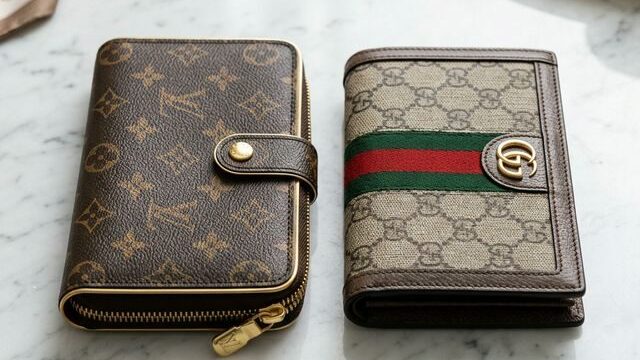
| Signature | LV Monogram, Damier canvas | GG Monogram, Web stripe, Medusa |
| Entry Price (Belt) | ~$600 | ~$450 |
| Entry Price (Bag) | ~$1,500 | ~$800 |
| Sneaker Price | ~$900–$1,500 | ~$600–$1,200 |
| Discount Policy | Never discounted (ever) | Occasionally (outlets, end of season) |
| Resale Value | Exceptional (bags appreciate) | Good (accessories hold well) |
| Manufacturing | France, Spain, USA | Italy |
Quality and Craftsmanship
Louis Vuitton has the edge in leather goods craftsmanship. Their bags are hand-finished in French and Spanish workshops, use proprietary canvas and leathers, and feature hand-painted edges. LV never holds sales — ever — which preserves brand integrity and resale value. A Speedy or Neverfull purchased 10 years ago often sells for more than its original price today.
Gucci delivers excellent Italian craftsmanship, particularly in leather goods and footwear. Their Horsebit loafers are benchmark quality, and their leather work rivals any luxury house. However, Gucci does discount through outlets and seasonal sales, which dilutes exclusivity compared to LV.
Investment Value
Louis Vuitton is the undisputed winner as an investment. Their no-discount policy, limited production, and heritage status mean bags and accessories hold or appreciate in value. Classic pieces like the Speedy, Neverfull, and Keepall are genuine investments.
Gucci holds value well on accessories (belts, bags), but not as strongly as LV. Gucci’s trend-driven products depreciate faster than LV’s classics. However, Gucci’s lower entry prices make it more accessible.
Which Should You Buy?
Choose Louis Vuitton if: You want the ultimate luxury investment piece. You value heritage, tradition, and timeless design. You want a brand that never discounts. You care about resale value and long-term appreciation.
Choose Gucci if: You want bold, trend-setting luxury with personality. You prefer lower entry prices for luxury goods. You value Italian craftsmanship and fashion-forward design. You want luxury with cultural relevance and celebrity cachet.
Frequently Asked Questions
Does Louis Vuitton ever go on sale?
No — never. Louis Vuitton has a strict no-discount policy across all products and all channels. They occasionally raise prices (typically 3–7% per year), which actually increases the value of previously purchased items. This is a key reason LV products hold their resale value so well.
Is Gucci or Louis Vuitton more popular?
Louis Vuitton is the most valuable luxury brand globally (valued at ~$20B+). Gucci is consistently in the top 3-5. Among younger consumers, Gucci often scores higher on social media engagement, while LV dominates across all age groups in brand value and recognition.

Axel Lander is the founder and editor of ReadySleek. He publishes practical guides on men’s style, grooming, and fragrance, with a focus on clear comparisons, value, and the trade-offs readers should know before deciding.