What you wear to a job interview matters more than most men think. Studies show interviewers form first impressions within 7 seconds, and your appearance accounts for 55% of that initial judgment. Dressing appropriately signals professionalism, attention to detail, and that you take the opportunity seriously. Here’s exactly what to wear for every type of job interview.
Wondering about specific pieces? We cover black jeans to an interview, ripped jeans, plaid shirts, denim jackets and cufflinks in their own guides.
Interview Outfit by Industry
| Industry | Dress Code | Outfit |
|---|---|---|
| Finance, Law, Consulting | Formal | Navy or charcoal suit + white dress shirt + conservative tie + oxford shoes |
| Corporate, Enterprise | Business Casual+ | Blazer + dress shirt + dress pants + leather shoes (tie optional) |
| Tech, Startup | Smart Casual | Collared shirt or quality polo + chinos + clean shoes/sneakers |
| Creative, Agency | Smart Casual+ | Show personality within polish: unique textures, interesting sneakers |
| Retail, Hospitality | Polished Casual | Button-down + dark jeans or chinos + clean shoes |
The Universal Safe Outfit
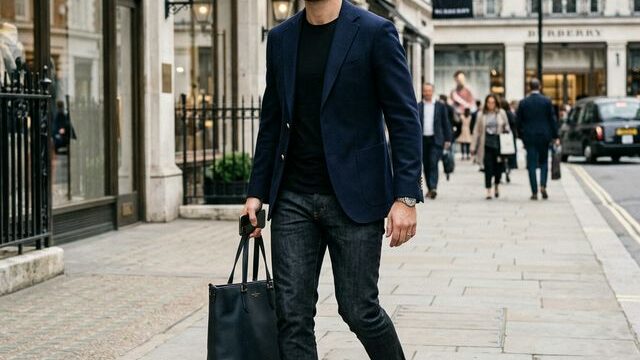
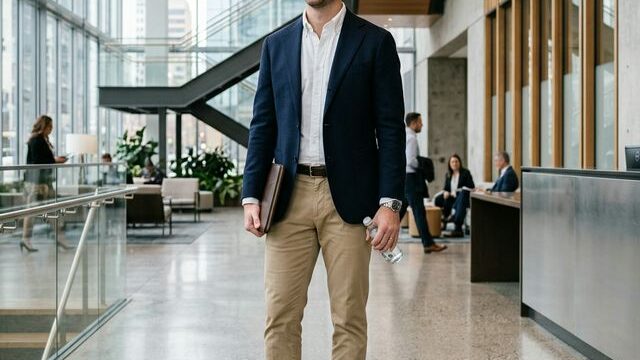
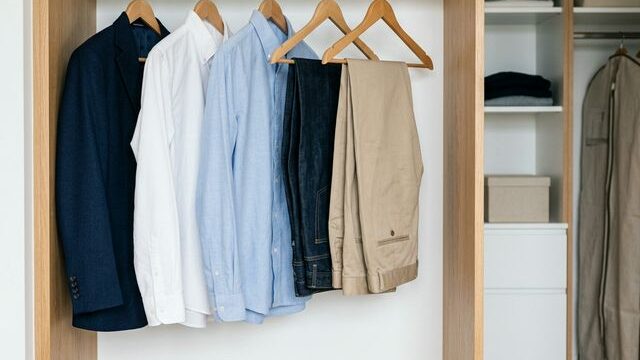
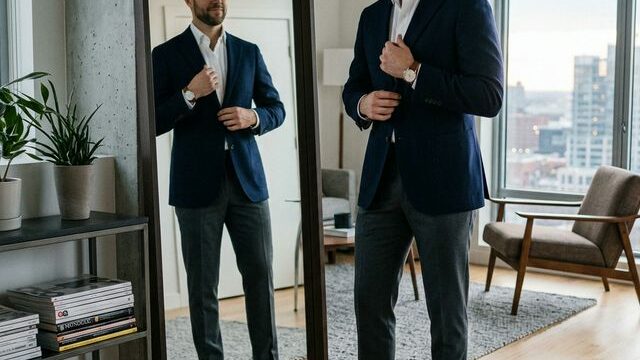
When you can’t figure out the dress code, this outfit works for 90% of interviews: Navy blazer + white Oxford shirt + grey or navy dress pants + brown leather shoes. No tie. This hits the sweet spot between professional and approachable. It works for corporate offices, tech companies, and everything in between. You’ll never be underdressed, and the absence of a full suit keeps you from looking overdressed in casual environments.
The Rule: One Level Up
Here’s the golden rule for interview dressing: dress one level above what employees typically wear. If employees wear t-shirts and jeans, wear a collared shirt and chinos. If they wear business casual, add a blazer. If they wear suits, wear your best suit. Research the company on LinkedIn, Instagram, or Glassdoor to see what employees actually wear. Never go more than one level above — being dramatically overdressed is almost as bad as being underdressed.
Details That Matter
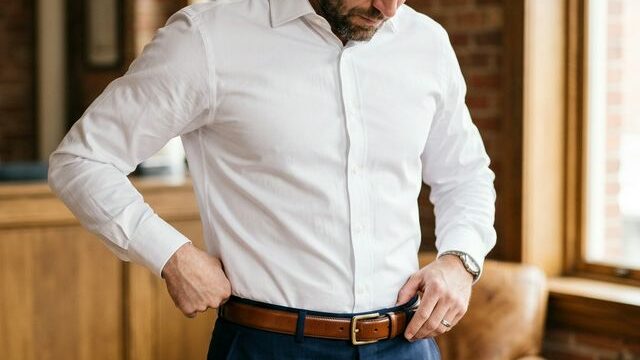
Fit: Nothing too tight or too baggy. Clothes should skim your body without pulling at buttons or bunching at the waist. Get key pieces tailored if necessary — the $30 tailoring investment pays for itself in confidence. Grooming: Fresh haircut (get one 3-5 days before, not day-of). Clean shave or well-trimmed beard. Clean nails. Subtle cologne, if any — never strong. Shoes: Clean, polished, and in good condition. Scuffed shoes signal a lack of attention to detail. Colors: Stick to navy, grey, white, and light blue for interviews. These are universally professional and non-distracting.
Common Interview Outfit Mistakes
Wearing a full suit to a startup: You’ll look like you don’t understand the company culture. Research first. New shoes: Don’t break in new shoes at an interview. Wear shoes you’ve already walked in — uncomfortable feet affect your demeanor. Strong cologne: The interviewer may be sitting 3 feet from you. Skip cologne or apply one light spray. Wrinkled clothes: Iron or steam everything the night before. Wrinkles suggest carelessness. Overdoing accessories: One watch, maybe a simple bracelet. No flashy jewelry, designer belts, or luxury logos. The interview is about you, not your wardrobe.
Frequently Asked Questions
Should I wear a tie to a job interview?
Only for formal industries (finance, law, consulting, government). For most modern offices, no tie is expected. If you’re unsure, skip the tie — an open-collar dress shirt with a blazer looks polished without being stuffy. Having a tie in your bag as a backup is a smart move if you genuinely can’t research the company culture.
What about virtual/video interviews?
Dress the same from the waist up as you would in person. Yes, even if they “can’t see your pants.” First, you might need to stand up unexpectedly. Second, dressing professionally from the waist up puts you in the right mindset. Avoid busy patterns and stripes on camera — they create visual noise. Solid colors (navy, white, grey) look best on video.
Related Articles

Axel Lander is the founder and editor of ReadySleek. He publishes practical guides on men’s style, grooming, and fragrance, with a focus on clear comparisons, value, and the trade-offs readers should know before deciding.