
Bad breath (halitosis) affects approximately 1 in 4 adults. It destroys first impressions, kills confidence in close conversations, and makes dates awkward. The good news: 90% of bad breath comes from your mouth — not your stomach — and it’s fixable with the right routine. Here’s everything men need to know about eliminating bad breath for good.
The Real Causes of Bad Breath
| Cause | % of Cases | Solution |
|---|---|---|
| Tongue bacteria | ~60% | Tongue scraping daily |
| Gum disease | ~15% | Flossing + dental visits |
| Food particles between teeth | ~10% | Flossing + water flosser |
| Dry mouth | ~10% | Hydration + sugar-free gum |
| Medical causes | ~5% | See doctor if persistent |
#1 Fix: Tongue Scraping
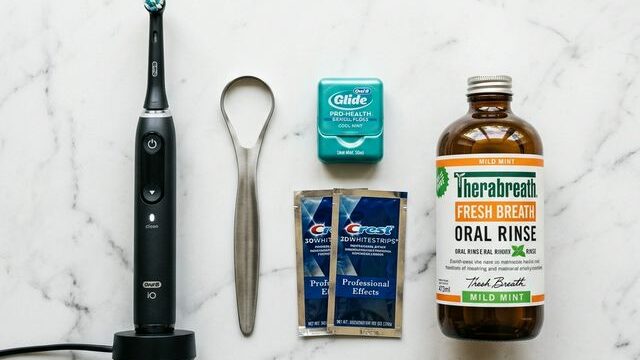
Your tongue is the primary source of bad breath. Bacteria accumulate on its rough, papillae-covered surface and produce volatile sulfur compounds (VSCs) — the exact chemicals that cause the “rotten egg” smell. A tongue scraper removes this bacterial film mechanically, providing immediate fresh breath. Studies show tongue scraping reduces VSCs by 75% — far more effective than mouthwash alone. Use a stainless steel scraper every morning: start at the back, pull forward 3-5 times, rinse scraper between passes. It takes 15 seconds.
#2 Fix: Proper Flossing
Ever flossed and noticed the string smells terrible? That’s decomposing food particles and bacteria between your teeth. You can’t just cover those smells with mouthwash — you need to physically remove them. Floss once daily (ideally at night). If you hate traditional floss, a water flosser is a great alternative — it uses pressurized water to blast debris from between teeth and below the gumline. Waterpik is the most popular brand, starting around $40.
#3 Fix: Stay Hydrated
Dry mouth is a major contributor to bad breath. Saliva is your mouth’s natural cleaning system — it washes away bacteria, neutralizes acids, and prevents bacterial overgrowth. When you’re dehydrated (or mouth-breathing, or on certain medications), saliva production drops and bacteria thrive. Drink water throughout the day. Chew sugar-free gum to stimulate saliva production. If dry mouth persists, see your dentist — there are prescription solutions for chronic dry mouth.
What Doesn’t Fix Bad Breath
Mouthwash alone: Cosmetic mouthwash masks odor temporarily (20-30 minutes). It doesn’t address the bacterial source. Therapeutic mouthwash (with chlorhexidine) is more effective but can stain teeth with long-term use. Mints and gum: Cover the smell, don’t fix it. Sugar-free gum has a slight benefit by stimulating saliva, but it’s not a treatment. Brushing your tongue with a toothbrush: Better than nothing, but a dedicated tongue scraper is 2-3x more effective at removing the bacterial biofilm. The flat, wide surface of a scraper covers more area with better pressure distribution.
When to See a Doctor
If your bad breath persists despite excellent oral hygiene (brushing, flossing, tongue scraping, hydration), the cause may be medical. Conditions that cause persistent bad breath include: Tonsil stones (white chunks on tonsils — see an ENT), GERD/acid reflux (stomach acid smell), Sinusitis (post-nasal drip feeds oral bacteria), Diabetes (fruity/acetone breath), Medications (antihistamines, antidepressants, blood pressure meds can cause dry mouth). See your doctor if bad breath persists after 2-3 weeks of consistent oral care improvements.
Frequently Asked Questions
Can coffee cause bad breath?
Yes. Coffee is acidic, dries out your mouth (reduces saliva), and leaves sulfur compounds on your tongue. It’s a triple threat for bad breath. Solutions: drink water between coffee sips, use a tongue scraper after your coffee, or chew sugar-free gum afterward. You don’t need to quit coffee — just manage the side effects.
Does stomach acid cause bad breath?
Only in cases of GERD (gastroesophageal reflux disease) or chronic acid reflux, which account for a small percentage of bad breath cases. If you experience frequent heartburn along with bad breath, see a gastroenterologist. For the vast majority of people, bad breath originates in the mouth, not the stomach.
Related Articles

Axel Lander is the founder and editor of ReadySleek. He publishes practical guides on men’s style, grooming, and fragrance, with a focus on clear comparisons, value, and the trade-offs readers should know before deciding.