Your grooming routine covers your skin, hair, and beard — but what about your teeth? Oral care is the most overlooked aspect of men’s grooming, yet it’s the first thing people notice in person. Bad breath kills first impressions. Yellow teeth undermine confidence. Gum disease affects overall health. Here’s the complete men’s oral care guide covering everything from the right brushing technique to whitening and beyond.
The Complete Men’s Oral Care Routine
| Step | What | When | Why |
|---|---|---|---|
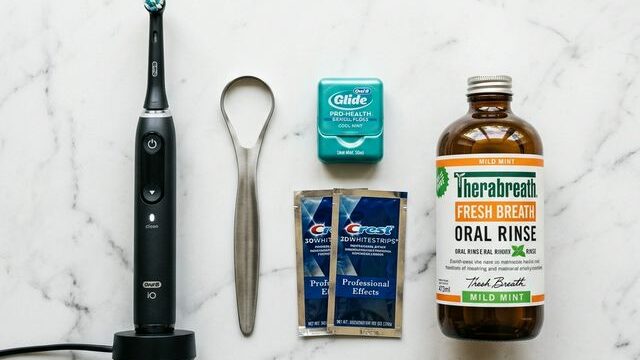
| 1 | Brush (2 min) | Morning + Night | Removes plaque, prevents cavities |
| 2 | Floss | Once daily (night) | Cleans between teeth where brush can’t reach |
| 3 | Tongue scrape | Morning | Removes bacteria causing bad breath |
| 4 | Mouthwash | After brushing (optional) | Kills remaining bacteria, freshens breath |
| 5 | Whitening | Weekly or as needed | Removes surface stains from coffee/food |
Brushing: You’re Probably Doing It Wrong
Studies show the average person brushes for 45-70 seconds. Dentists recommend 2 full minutes, twice daily. Common mistakes: Brushing too hard — aggressive scrubbing damages enamel and causes gum recession. Use gentle, circular motions. Wrong angle — hold your brush at a 45-degree angle to the gum line, not flat against teeth. Neglecting inner surfaces — most men only brush the front. The inner and chewing surfaces need equal attention. Old toothbrush — replace every 3 months or when bristles fray. Worn bristles don’t clean effectively.
Electric vs Manual: Is It Worth the Upgrade?
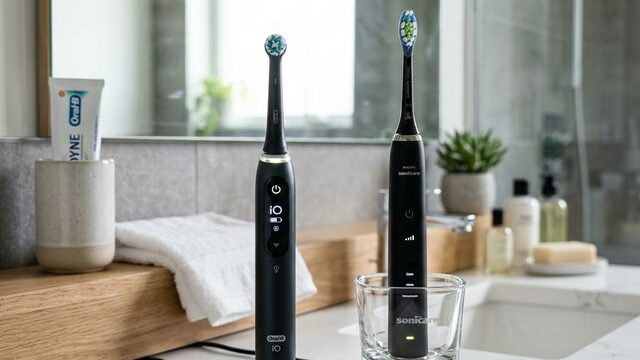
Yes. Multiple clinical studies show electric toothbrushes remove significantly more plaque than manual brushing. The built-in timer ensures you brush the full 2 minutes. The oscillating/sonic action reaches areas manual brushing misses. It’s the single biggest upgrade you can make to your oral care routine. Entry-level Oral-B or Sonicare models ($40-60) outperform $3 manual brushes dramatically.
Flossing: Non-Negotiable
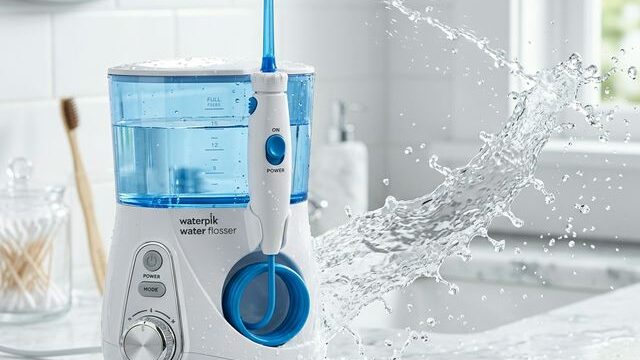
40% of your tooth surfaces are between teeth where brushes can’t reach. Skipping floss means leaving 40% of your teeth dirty. If you hate traditional string floss, try: Floss picks — pre-threaded, one-handed, easy to use. Water flosser — uses pressurized water to clean between teeth. Great for people with braces, bridges, or who find traditional flossing painful. Interdental brushes — tiny brushes that fit between teeth. Studies show they may be even more effective than floss for some people.
The #1 Cause of Bad Breath
It’s not your stomach — it’s your tongue. Bacteria accumulate on the tongue’s rough surface, producing volatile sulfur compounds (the rotten egg smell). The fix is simple: use a tongue scraper every morning. It takes 10 seconds and removes the bacterial coating that causes most cases of bad breath. A $5 stainless steel tongue scraper is the best ROI item in your entire grooming kit.
Whitening Options Ranked by Effectiveness
| Method | Cost | Effectiveness | Time |
|---|---|---|---|
| In-office bleaching | ~$300-800 | ⭐⭐⭐⭐⭐ | 1-2 hours |
| Custom take-home trays | ~$100-400 | ⭐⭐⭐⭐ | 1-2 weeks |
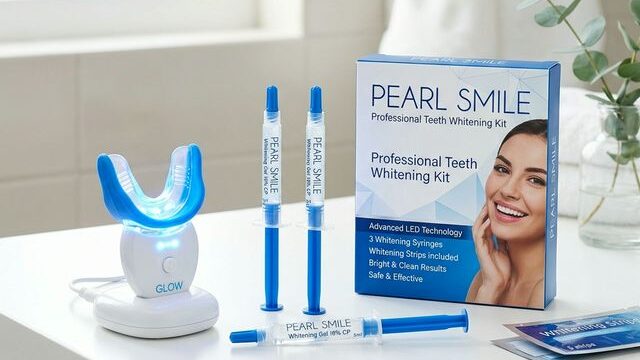
| LED whitening kits | ~$30-80 | ⭐⭐⭐ | 1-2 weeks |
| Whitening strips | ~$20-50 | ⭐⭐⭐ | 1-2 weeks |
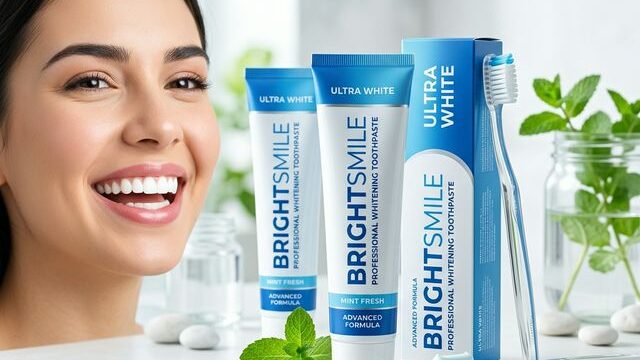
| Whitening toothpaste | ~$5-15 | ⭐⭐ | 4-6 weeks |
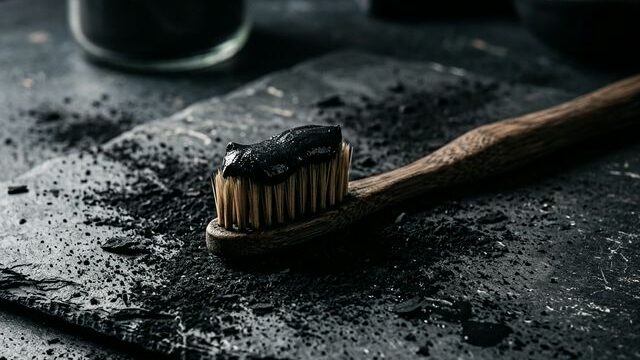
| Charcoal toothpaste | ~$8-15 | ⭐ | Questionable |
Frequently Asked Questions
Should I brush before or after breakfast?
Before. Brushing immediately after eating (especially acidic foods like orange juice or coffee) can damage softened enamel. Brush first to remove overnight bacteria, then eat. If you want to brush after eating, wait at least 30 minutes. Alternatively, rinse with water after eating to neutralize acids.
Is mouthwash necessary?
Not strictly necessary if you brush and floss properly, but it helps. Therapeutic mouthwashes (with fluoride, cetylpyridinium chloride, or essential oils) provide additional cavity protection and gum health. Cosmetic mouthwashes just mask bad breath temporarily. If using mouthwash, wait 30 minutes after brushing — rinsing immediately washes away the concentrated fluoride from your toothpaste.
Related Articles

Axel Lander is the founder and editor of ReadySleek. He publishes practical guides on men’s style, grooming, and fragrance, with a focus on clear comparisons, value, and the trade-offs readers should know before deciding.