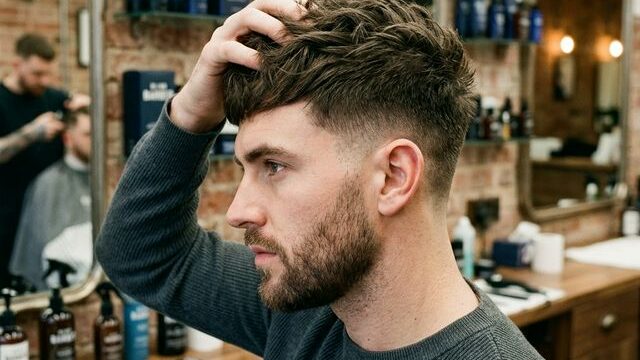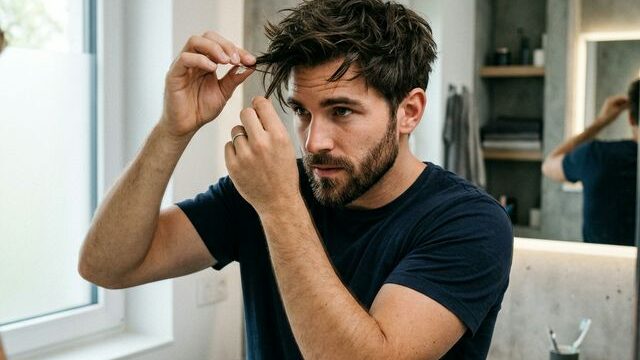
The difference between a good haircut and great hair is how you style it. Most men leave the barber looking fantastic, then can never recreate it at home. That’s a styling problem — not a haircut problem. This guide covers the essential techniques, products, and tools you need to style your hair like a pro, regardless of length or hair type.
Fighting a specific problem? We have guides for hair that sticks up, holding height without gel, natural volume and hair that never sits right.
The 3 Pillars of Men’s Hair Styling
Great hair comes down to three things: 1. The right cut — get a cut that works with your natural hair texture, not against it. 2. The right product — match the product to your hair type and desired style. 3. The right technique — how you apply product and use tools matters as much as what you use. Most men focus on #1 (the barbershop visit) and ignore #2 and #3 completely. This guide focuses on what happens after you leave the barber’s chair.
Styling by Hair Length
Short Hair (1–3 inches)
Best products: Clay, wax, fiber cream. Technique: Towel dry, apply a small amount (pea-sized) of product, and work upward from the crown. For textured crops and messy styles, use your fingertips to pinch and separate strands. For clean, structured looks, use a comb. Pro tip: Short hair is the most forgiving — you can get away with less product and simpler technique. The key is not to overdo it.
Medium Hair (3–5 inches)
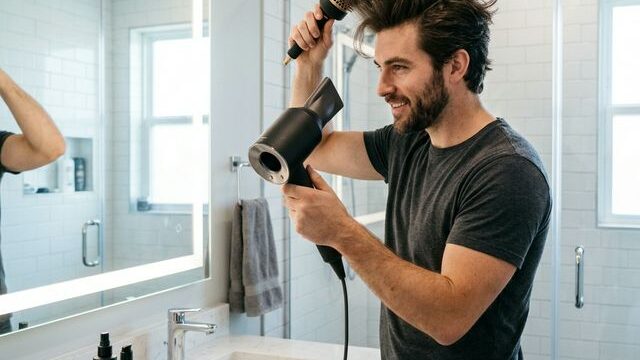
Best products: Pomade, wax, sea salt spray + clay combo. Technique: Blow-dry first (this is the game-changer for medium hair). Direct the dryer upward and backward while using your free hand or a round brush to shape. Once 80% dry, apply product. Pro tip: Medium length is where a hair dryer becomes essential — without it, gravity pulls hair flat. The dryer creates volume that product then locks in.
Long Hair (5+ inches)
Best products: Light pomade, cream, sea salt spray. Technique: Less is more. Long hair looks best with minimal product — just enough to control frizz and add definition. Apply to damp (not wet) hair and let it air dry for natural texture. Only blow-dry if you want a polished, blown-out look. Pro tip: For long hair, invest in good shampoo and conditioner more than styling product. Healthy long hair looks styled even without product.
Essential Styling Techniques
Blow-Drying (The Most Underrated Skill)
80% of men who struggle with their hair don’t use a hair dryer. It’s the single most important styling tool. Medium heat, medium speed — high heat damages hair and makes it frizzy. Direct air upward — always dry in the direction you want hair to go. Use a nozzle attachment — it concentrates airflow and gives you control. Overdirect — push hair slightly beyond where you want it to land. It’ll settle back naturally. Stop at 80% dry — apply product when hair is slightly damp, then finish drying to lock in the style.
Product Layering
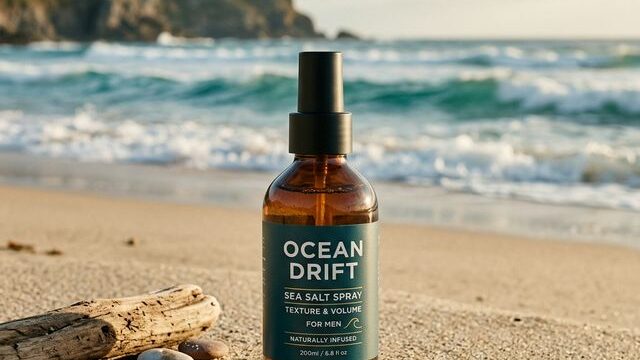
For advanced styling, layer products. Apply a pre-styler (sea salt spray or volumizing powder) to damp hair before blow-drying. This creates texture and grip. Then apply a finishing product (pomade, clay, or wax) to dry, shaped hair. This two-step method is how barbers create styles that look and hold better than anything you get from one product alone.
Frequently Asked Questions
How do I find the right hairstyle for my face shape?
The goal is to create the illusion of an oval face shape. Round face: Add height on top, keep sides shorter (fades/undercuts). Long face: Add width at the sides, avoid too much height. Square face: You have the most versatility — most styles work. Oval face: Lucky you — almost everything works. Heart-shaped: Medium length styles with some width work best. When in doubt, ask your barber what they recommend for your specific face shape.
Should I use heat protectant?
If you blow-dry daily, yes. Heat protectant sprays coat the hair shaft and prevent damage from heat tools. They cost $8-15 and last months. It’s cheap insurance for your hair health. If you only blow-dry occasionally (1-2 times per week), it’s not critical but still a good habit.
Related Articles
- Hair Products Explained: Pomade vs Wax vs Clay
- Best Pomade for Men
- Best Hair Clay for Men
- Best Shampoo for Men

Axel Lander is the founder and editor of ReadySleek. He publishes practical guides on men’s style, grooming, and fragrance, with a focus on clear comparisons, value, and the trade-offs readers should know before deciding.