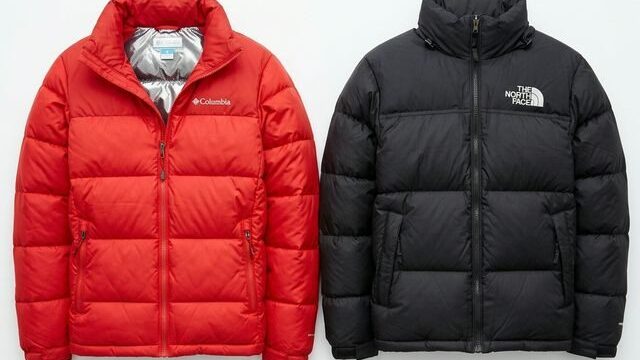
Columbia and The North Face are the two most popular mainstream outdoor brands in the world. Both make everything from hiking jackets to winter boots — but at very different price points and quality levels. Here’s the complete comparison.
The Short Answer
The North Face offers superior technical performance and stronger style credentials — their gear is more fashionable and performs better in extreme conditions. Columbia is the value king — consistently 30–50% cheaper than TNF with solid performance for casual outdoor use. North Face for serious outdoor and streetwear; Columbia for budget-friendly reliability.
Full Comparison
| Feature | Columbia | The North Face |
|---|---|---|
| Founded | 1938 (Portland, Oregon) | 1966 (San Francisco) |
| Price Range | ~$40–$300 | ~$60–$500 |
| Average Jacket | ~$80–$150 | ~$150–$300 |
| Key Technology | Omni-Heat, Omni-Tech, OutDry | DryVent, ThermoBall, FUTURELIGHT |
| Best For | Casual hiking, everyday outdoor | Mountaineering, skiing, urban style |
| Fashion Appeal | Functional, dad-core | High (Nuptse is streetwear staple) |
| Warranty | Limited lifetime on outerwear | Limited lifetime warranty |
| Sustainability | Growing (recycled materials) | Good (Renewed program) |
| Popular Models | Watertight II, Bugaboo, Silver Ridge | Nuptse, Thermoball, McMurdo |
| Size Range | XS-6X (excellent extended sizing) | XS-3XL |
Quality and Performance
The North Face uses more advanced materials. Their DryVent waterproofing is more breathable than Columbia’s Omni-Tech, and their ThermoBall synthetic insulation outperforms in wet conditions. FUTURELIGHT, their nano-spun membrane, is a genuine innovation for breathable waterproofing. For skiing, mountaineering, and extended outdoor use, TNF gear performs noticeably better.
Columbia’s standout technology is Omni-Heat — a reflective lining that retains body heat exceptionally well for the price. Their OutDry waterproofing is underrated — the bonded membrane eliminates wet-out completely. For casual hiking, travel, and everyday cold weather, Columbia delivers 80% of TNF’s performance for 50–60% of the price.
Value
Columbia is the undisputed value leader. A solid waterproof jacket costs $60–$100 vs $150–$250 at North Face. Columbia also runs more sales and has better outlet availability. Their extended sizing (up to 6X in some models) is industry-leading.
North Face justifies higher prices with better construction, more advanced fabrics, and significantly stronger resale/fashion value. A Nuptse jacket holds its value well on resale; a Columbia Puffer typically doesn’t.
Which Should You Buy?
Choose Columbia if: Budget is your priority. You need solid outdoor gear without premium prices. You want excellent extended sizing options. You do casual hiking, camping, or everyday outdoor activities.
Choose The North Face if: You want stronger technical performance for demanding conditions. Style matters — you want gear that works as streetwear. You ski, climb, or do serious outdoor sports. You’re willing to invest more for better materials and construction.
Frequently Asked Questions
Is Columbia as good as North Face?
For casual outdoor use, Columbia is nearly as good at a much lower price. For serious mountaineering, skiing, or extreme conditions, North Face is measurably better in materials and construction. Columbia is the better value; North Face is the better product.
Why is North Face more expensive?
North Face uses more advanced materials (GORE-TEX, FUTURELIGHT), more sophisticated construction, and invests heavily in R&D and athlete sponsorships. Their fashion cachet also allows premium pricing — the Nuptse jacket is as much a style piece as an outdoor jacket.

Axel Lander is the founder and editor of ReadySleek. He publishes practical guides on men’s style, grooming, and fragrance, with a focus on clear comparisons, value, and the trade-offs readers should know before deciding.