Choose 5mm for the shortest cut of these three, 7mm for an intermediate length, or 10mm if you want to keep more hair before deciding whether to go shorter. Ask for millimetres first: a numbered guard may give a nearby length rather than the exact setting you requested.
On the same head, longer hair can provide more coverage and show more texture. It is not a guarantee that your scalp will disappear at 7mm or 10mm. Density, colour, growth direction and lighting still matter.
5mm vs 7mm vs 10mm: Guard And Length Chart
| Target | Direct setting | Nearby Wahl 79470 comb | Difference to consider |
|---|---|---|---|
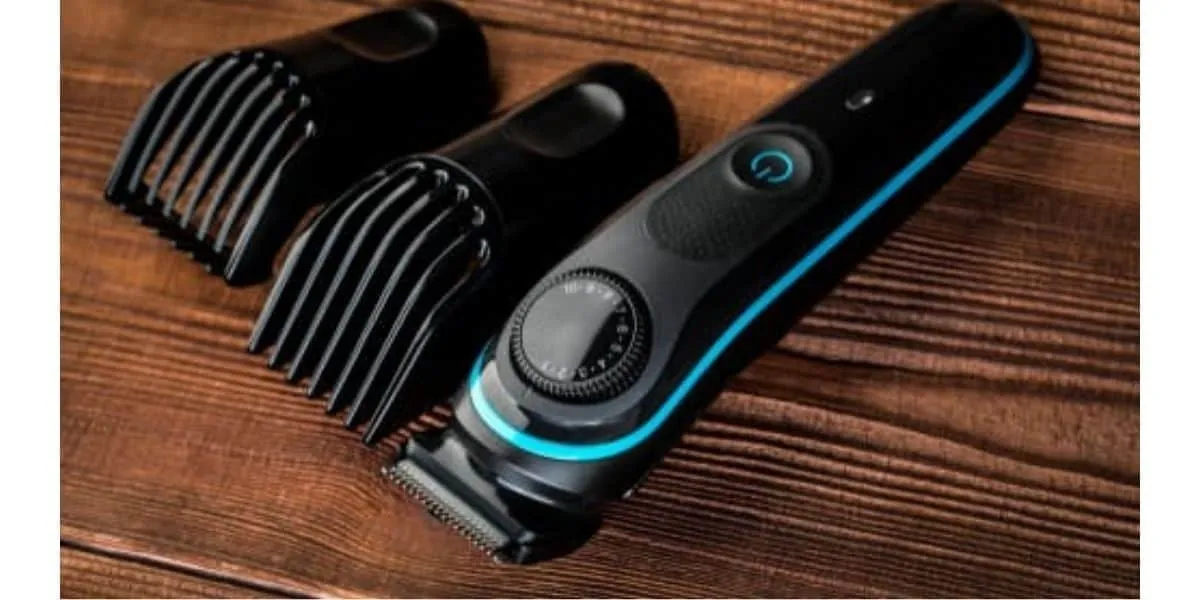
| 5mm | Compatible comb or dial marked 5mm | #1.5: 4.5mm; #2: 6mm | 4.5mm is 0.5mm shorter; 6mm is 1mm longer. |
| 7mm | Compatible comb or dial marked 7mm | #2: 6mm | 6mm is 1mm shorter, not a 7mm cut. |
| 10mm | Compatible comb or dial marked 10mm | #3: listed as 10mm | Check your own comb: some brands use a rounded metric label for 3/8 inch. |
The numbered examples come from Wahl’s 79470 attachment list. Philips documents adjustable lengths from 3mm to 28mm in 1mm steps for the HC5630/13, so that system includes nominal 5mm, 7mm and 10mm settings. These examples show why “there is no 5mm or 7mm option” is not a reliable general rule.
Closest is not always preferable. For a 5mm target, 4.5mm is mathematically closer than 6mm, but 6mm is the better side of the target if you would rather keep extra length. Tell your barber which matters more before accepting a substitute.
The 5mm Haircut
Use a 5mm-labelled setting when that is the result you want. If your compatible comb set offers 4.5mm and 6mm instead, choose knowingly between a slightly shorter and a slightly longer cut. Neither label means exactly 5mm.


Do not assume that closing a lever with a 6mm comb will produce 5mm. A lever changes blade position, but it is not a universal subtraction rule. Wahl’s home-haircutting instructions explain closer and longer positions; your model’s manual is the reference for its settings.
At this length, the main choices are the outline and whether you keep the sides uniform or shorter. If you want a low-effort home trim, one length all over is simpler to describe and repeat than a blended fade. Ask a barber to handle the transition if you are unsure.
The 7mm Haircut
A marked 7mm setting gives the clearest route. A #2 comb listed at 6mm is a shorter alternative, not an exact conversion. Waiting for regrowth does not make the original cut a 7mm setting, and the time needed will vary.


Choose 7mm if you want a middle step between a tight 5mm buzz and the extra length of 10mm. It offers little scope for shaping a quiff, but lets you assess whether you prefer retaining more hair before going shorter.
If keeping height or more styling options matters most, compare longer buzz-cut lengths. A face-shape category alone does not rule out 7mm; your preferred silhouette is the useful question.
The 10mm Haircut
A 10mm setting, or a compatible comb labelled 10mm, is the direct choice. Wahl labels the cited #3 comb as both 3/8 inch and 10mm. The exact conversion of 3/8 inch is 9.525mm, so those are rounded product labels, not identical precision measurements.


Of these three targets, 10mm keeps the most length. That makes it a sensible starting point if you are unsure: inspect the result before choosing 7mm or 5mm. It cannot guarantee full coverage if your hair is sparse.
You can keep 10mm all over or ask for shorter sides. For example, 10mm on top with 6mm sides creates a different shape from a uniform cut. Specify the top, sides and neckline separately rather than assuming “a number three” describes the entire haircut.
How To Ask Your Barber For These Lengths
- 5mm: “I’d like 5mm all over. If your nearest settings are shorter or longer, please check with me first.”
- 7mm: “7mm all over, not a number two unless we agree on the shorter length.”
- 10mm: “10mm on top and at the sides, with a tidy neckline. Please confirm what your number-three comb leaves.”
If you want a fade instead of uniform sides, say so separately. Bring a style photo to discuss shape, but agree on the actual cutting settings: photographs do not establish millimetre length.
Frequently Asked Questions
What’s the best length for a first buzz cut?
If you are undecided between these three, start at 10mm and look at the result before shortening. That keeps the option of going shorter during the appointment; it is not a promise that 10mm suits everybody best.
Can you see the scalp at 5mm, 7mm and 10mm?
Potentially at all three. More length can give more coverage on the same head, but density, hair-to-skin contrast and lighting can outweigh a small difference in millimetres. None of these lengths guarantees that the scalp will be hidden.
Can a #2 guard cut both 5mm and 7mm?
Not as a fixed conversion. The Wahl #2 cited here is labelled 6mm. A lever may vary the result on a particular clipper, but use that model’s instructions rather than calling every #2 cut 5mm or 7mm.
How often should you trim a buzz cut?
Use your preferred appearance as the trigger. Check the cut after a week and note when the length or outline starts to bother you. Growth and tolerance for regrowth vary; a fixed schedule is not essential. Record the comb and any lever setting to make your next trim more repeatable.
Related Articles
- The much shorter 1mm haircut
- How to ask for a low fade
- Understanding a 1-to-2 fade
- Buzz-cut options for oval faces
- Buzz cuts and workplace style
- Asking for a two-block haircut if you want more length
Conclusion
Choose the length you want, then match it to your own clipper’s documented setting. Keep exact settings separate from nearby combs, agree on substitutions before cutting, and start longer if you are undecided. That prevents more confusion than memorising a supposedly universal guard number.
Manufacturer length specifications checked September 7, 2026. The table compares nominal settings and calculated differences; it is not a measured cutting test. Photographs are style references, not a controlled length comparison.

Axel Lander is the founder and editor of ReadySleek. He publishes practical guides on men’s style, grooming, and fragrance, with a focus on clear comparisons, value, and the trade-offs readers should know before deciding.