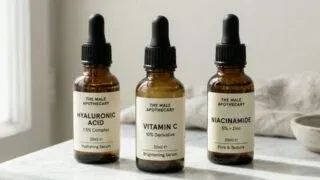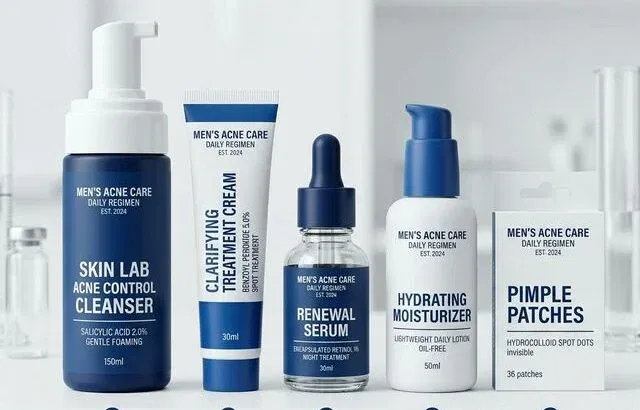
Acne doesn’t stop at 18. Nearly 40% of men over 25 still deal with breakouts — and men’s skin produces 60% more sebum (oil) than women’s, making us more prone to clogged pores. Here’s a practical, evidence-based guide to treating and preventing acne specifically for men’s skin.
Why Men Get Acne (Even as Adults)
Male acne is driven by three factors: excess sebum production (testosterone stimulates oil glands, and men produce significantly more than women), clogged pores (dead skin cells mix with oil and trap bacteria), and bacterial inflammation (C. acnes bacteria thrive in clogged, oily pores). Adult male acne tends to concentrate on the jawline, chin, and neck — areas with the most androgen-sensitive oil glands. Shaving can make things worse by spreading bacteria, causing micro-cuts that invite infection, and irritating existing breakouts.
The 3 Ingredients That Actually Work
Don’t waste money on 15-step routines. These three ingredients have the strongest clinical evidence for treating acne:
1. Salicylic Acid (BHA) — Unclogs Pores
Salicylic acid is oil-soluble, meaning it penetrates into pores and dissolves the mixture of oil and dead skin that causes clogs. Use a 2% salicylic acid cleanser daily. It’s gentle enough for daily use and prevents new breakouts rather than just treating existing ones. CeraVe SA Cleanser ($12-15) or Paula’s Choice 2% BHA ($30) are excellent options.
2. Benzoyl Peroxide — Kills Bacteria
Benzoyl peroxide kills the C. acnes bacteria that cause inflamed, red pimples. 2.5% is as effective as 5% or 10% with significantly less irritation — studies prove this. Apply a thin layer to acne-prone areas after cleansing. Key warning: it bleaches fabrics (towels, pillowcases, shirts). Use white towels and let it fully absorb before bed.
3. Retinol / Tretinoin — Prevents Formation
Retinoids accelerate cell turnover, preventing dead cells from accumulating and clogging pores. They also reduce oil production over time. Start with OTC retinol (0.3-0.5%) or ask your doctor for tretinoin (0.025% to start). Use at night only. This is the most effective long-term acne prevention tool, but it takes 8-12 weeks to show results.
The Simple Anti-Acne Routine for Men
Morning: Salicylic acid cleanser → Lightweight moisturizer (oil-free/non-comedogenic) → Sunscreen SPF 30+ (if using retinol). Evening: Gentle cleanser → Benzoyl peroxide 2.5% (on active pimples) OR Retinol (on non-breakout nights, alternate with BP) → Moisturizer. Weekly: Don’t pick or squeeze. Use a pimple patch (hydrocolloid bandage) on whiteheads overnight — they draw out fluid without scarring.
Acne and Shaving
Shaving over acne is a constant battle. Here’s how to minimize damage: Use a single-blade safety razor — multi-blade cartridges cause more irritation and ingrown hairs. Shave in the direction of hair growth (with the grain) — going against increases razor bumps. Replace blades frequently — dull blades drag across skin and spread bacteria. Use a gentle shaving cream without alcohol or fragrance. Apply witch hazel or alcohol-free aftershave — avoid products with alcohol that dry and irritate.
When to See a Dermatologist
See a professional if: your acne doesn’t improve after 8-12 weeks of consistent OTC treatment, you have deep cystic acne (large, painful lumps under the skin), your acne is leaving scars, or over-the-counter treatments cause excessive irritation. A dermatologist can prescribe stronger treatments including tretinoin, oral antibiotics, or isotretinoin (Accutane) for severe cases.
Frequently Asked Questions
Does diet affect acne?
Research suggests two dietary factors can worsen acne: high-glycemic foods (sugar, white bread, processed foods) spike insulin, which increases oil production, and dairy — particularly skim milk — is associated with higher acne rates in some studies. However, diet alone rarely causes or cures acne. A healthy diet helps, but it won’t replace proper skincare.
Should men with acne moisturize?
Absolutely yes. Skipping moisturizer when you have oily/acne-prone skin actually makes things worse — your skin compensates by producing even more oil. Use a lightweight, oil-free, non-comedogenic moisturizer. CeraVe PM Moisturizing Lotion and Neutrogena Hydro Boost Gel are excellent for acne-prone skin.
Related Articles
- Retinol for Men: Complete Guide
- Best Face Wash for Men
- Men’s Skincare Routine: The Complete Guide
- Best Moisturizer for Men
- Men’s Skincare for Oily Skin

Axel is the founder of ReadySleek and has spent over 5 years researching and testing men’s grooming products, skincare routines, and hair loss treatments. His work combines hands-on product testing with insights from dermatologists and trichologists to deliver evidence-based grooming advice.
He specializes in men’s skincare (including ingredient analysis of retinol, niacinamide, and SPF), hair loss science (minoxidil, finasteride, hair transplants), men’s fragrance (with 80+ colognes personally tested), and body grooming techniques.
When he’s not reviewing the latest grooming products, Axel focuses on making complex grooming topics accessible and actionable for everyday guys.