Acne isn’t just a teenage problem. Up to 25% of men experience acne well into their 30s and 40s. Whether you’re dealing with occasional breakouts or persistent cystic acne, the treatment approach depends on understanding what’s actually causing your specific type of acne.
This guide covers the causes, types, and proven treatments for men’s acne – from drugstore solutions to prescription options.
Why Men Get Acne
Men are more acne-prone than women for biological reasons:
- Higher testosterone – Stimulates sebaceous glands to produce more oil (sebum). More oil = more clogged pores
- Thicker skin – Men’s skin is ~25% thicker with larger pores, which trap more debris
- Shaving irritation – Daily shaving can cause folliculitis (infected hair follicles) that mimics or worsens acne
- Less skincare – Many men skip cleansing and moisturizing, allowing oil and dead skin to accumulate
- Workout habits – Sweat, gym equipment bacteria, and post-workout neglect contribute to body acne
Types of Acne
| Type | What It Looks Like | Severity | Treatment Focus |
|---|---|---|---|
| Blackheads | Small dark dots (open pores) | Mild | Salicylic acid, retinol |
| Whiteheads | Small flesh-colored bumps | Mild | Benzoyl peroxide, retinol |
| Papules | Small red inflamed bumps | Moderate | Benzoyl peroxide, niacinamide |
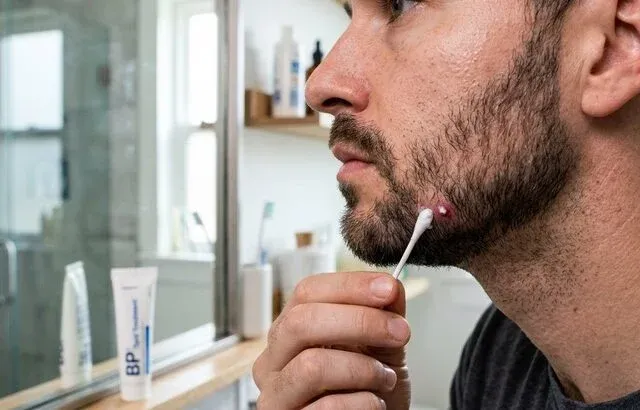
| Pustules | Red bumps with white/yellow pus | Moderate | Benzoyl peroxide, spot treatment |
| Nodules | Large, painful, deep bumps | Severe | Dermatologist (Rx needed) |
| Cysts | Large, pus-filled, painful lumps | Severe | Dermatologist (Rx needed) |
The Best Acne Treatments for Men
Tier 1: OTC Treatments (Mild to Moderate Acne)
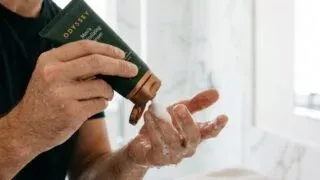
Benzoyl Peroxide (2.5–5%) – The most effective OTC acne ingredient. Kills acne-causing bacteria (P. acnes) on contact. Start with 2.5% to minimize irritation – studies show it’s as effective as 10% with less dryness. Apply a thin layer to affected areas after cleansing.
Top pick: CeraVe Acne Foaming Cream Cleanser (~$15) – 4% benzoyl peroxide with ceramides to prevent over-drying.
Salicylic Acid (0.5–2%) – Oil-soluble BHA that penetrates into pores, dissolving sebum and dead skin. Best for blackheads, whiteheads, and oily skin routine. Less effective on inflammatory acne than benzoyl peroxide.
Top pick: Paula’s Choice 2% BHA Liquid Exfoliant (~$32) – Gold standard salicylic acid treatment.
Retinol (OTC) – Increases cell turnover, preventing dead skin from clogging pores. Also fades acne scars over time. Takes 8–12 weeks to see results. Use at night, always with sunscreen the next day.
Top pick: CeraVe Resurfacing Retinol Serum (~$18) – Encapsulated retinol with niacinamide. See our anti-aging products guide for more retinol options.
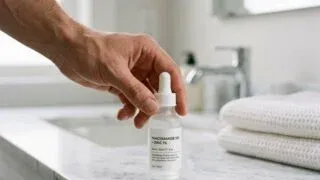
Niacinamide (5–10%) – Reduces inflammation, regulates oil production, fades post-acne marks. Non-irritating, works well with other actives.
Tier 2: Prescription Treatments (Moderate to Severe)
If OTC products haven’t worked after 8–12 weeks of consistent use, see a dermatologist:
- Tretinoin (prescription retinoid) – Significantly stronger than OTC retinol. The gold standard topical for acne prevention and scar fading
- Clindamycin gel – Topical antibiotic that kills acne bacteria. Often combined with benzoyl peroxide to prevent resistance
- Dapsone gel (Aczone) – Anti-inflammatory topical for hormonal/inflammatory acne
- Oral antibiotics – Doxycycline or minocycline for moderate inflammatory acne (short-term use, 3–6 months)
- Isotretinoin (Accutane) – Nuclear option for severe cystic acne. Dramatically reduces oil production and can permanently resolve acne. Significant side effects require close monitoring. Typical course: 5–6 months
The Acne-Fighting Routine
Morning:
- Gentle cleanser (CeraVe Foaming or La Roche-Posay Toleriane)
- Niacinamide serum (if using)
- Oil-free moisturizer
- Sunscreen SPF 30+ (non-comedogenic)
Evening:
- Same gentle cleanser
- Active treatment (benzoyl peroxide OR retinol – alternate nights)
- Oil-free moisturizer
For the complete step-by-step, see our skincare routine guide.
Common Mistakes
- Over-washing – Washing your face 3+ times daily strips oils and triggers more oil production. Twice daily is optimal
- Skipping moisturizer – “My skin is oily, I don’t need moisturizer” is wrong. Dehydrated oily skin produces MORE oil. Use oil-free moisturizer
- Popping/picking – Spreads bacteria, deepens inflammation, increases scarring risk
- Expecting instant results – Most treatments need 8–12 weeks. Switching products every 2 weeks prevents anything from working
- Using too many actives – Benzoyl peroxide + retinol + salicylic acid all at once will destroy your skin barrier. Introduce one at a time
Frequently Asked Questions
Does diet affect acne?
Evidence is mixed but growing. High-glycemic foods (sugar, white bread, processed carbs) and dairy (especially skim milk) are associated with increased acne in some studies. A diet rich in whole foods, vegetables, omega-3s, and low-glycemic carbs appears to support clearer skin. It’s not the primary cause for most men, but worth addressing if topical treatments aren’t enough.
How do I treat acne scars?
For mild scarring/dark marks: retinol, Vitamin C serum, and niacinamide fade marks over 3–6 months. For deeper scars (ice pick, boxcar, rolling): professional treatments like microneedling ($200–500/session), chemical peels, or laser resurfacing are more effective.
Can shaving make acne worse?
Yes, if done incorrectly. Dull blades, pressing too hard, and shaving against the grain irritate skin and spread bacteria. Use a sharp, clean razor, shave with the grain, and apply a non-comedogenic shaving cream. If razor bumps are persistent, consider an electric trimmer or growing a short beard.

Ready Sleek founder. Obsessed with casual style and the minimalist approach to building a highly functional wardrobe. Also a fan of classic, vintage hairstyles.