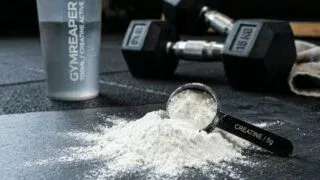
The testosterone booster market is worth $1.7 billion, and most of it is snake oil. Companies sell pills promising to “naturally boost testosterone by 300%” with zero evidence. Here’s the honest truth: most commercial testosterone boosters don’t work. But a few evidence-based compounds can modestly support healthy testosterone levels — if you have the right expectations.
The Honest Framework: What Can Actually Affect Testosterone?
| Factor | Impact on Testosterone | Evidence |
|---|---|---|
| Sleep (7-9 hours) | ⬆️ 15-20% increase vs sleep-deprived | ⭐⭐⭐⭐⭐ Very Strong |
| Resistance training | ⬆️ 15-40% acute post-workout | ⭐⭐⭐⭐⭐ Very Strong |
| Body fat reduction | ⬆️ Significant if overweight | ⭐⭐⭐⭐⭐ Very Strong |
| Fixing Vitamin D deficiency | ⬆️ Restores to normal levels | ⭐⭐⭐⭐ Strong |
| Fixing Zinc deficiency | ⬆️ Restores to normal levels | ⭐⭐⭐⭐ Strong |
| Ashwagandha (KSM-66) | ⬆️ 10-15% in some studies | ⭐⭐⭐ Moderate |
| D-Aspartic Acid | ⬆️ Temporary, reverts after 2 weeks | ⭐⭐ Weak |
| Tribulus, Fenugreek | → Minimal or no effect | ⭐ Very Weak |
| Most “T-booster” pills | → No meaningful effect | ❌ No evidence |
The Real “Testosterone Boosters”
Before spending money on supplements, these lifestyle factors have a far greater impact on testosterone: 1. Sleep 7-9 hours. One week of restricted sleep (5 hours/night) reduces testosterone by 10-15%. This is the single most powerful testosterone intervention. 2. Lift heavy. Compound exercises (squat, deadlift, bench, overhead press) acutely raise testosterone more than any supplement. 3. Lose excess body fat. Excess fat aromatizes testosterone into estrogen. Losing 10% body fat can significantly raise free testosterone. 4. Fix deficiencies. If you’re low in Vitamin D or Zinc, supplementing these nutrients will restore testosterone to normal levels — not above them.
Supplements With Some Evidence
Ashwagandha (KSM-66): The most promising natural compound for testosterone. Multiple studies show 10-15% increases in testosterone and reductions in cortisol. Dose: 600mg/day of KSM-66 extract. It also improves stress resilience and sleep quality — both of which indirectly support testosterone. Vitamin D3: Not technically a “testosterone booster” but fixing a deficiency restores testosterone to normal. 2,000-5,000 IU/day. Zinc: Same as D3 — normalizes testosterone if deficient. 15-30mg/day. Magnesium: May slightly increase free testosterone by reducing SHBG (sex hormone-binding globulin). 200-400mg glycinate/day.
When to See a Doctor
If you have persistent symptoms of low testosterone (fatigue, low libido, brain fog, muscle loss, depression), don’t rely on supplements — see a doctor. Get a blood test (total testosterone, free testosterone, SHBG, LH, FSH). Normal testosterone range is 300-1000 ng/dL. If clinically low, testosterone replacement therapy (TRT) is prescribed — this is actual medicine, not supplements. No supplement can replace TRT for genuinely low testosterone.
Frequently Asked Questions
Do testosterone boosters actually work?
Most don’t. The vast majority of commercial “testosterone booster” products use ingredients with no proven effect (tribulus, fenugreek, maca). A few compounds have moderate evidence: Ashwagandha KSM-66 (10-15% increase in some studies), and correcting Vitamin D/Zinc deficiency. No supplement will produce results comparable to sleep, exercise, and body composition management.
At what age does testosterone start declining?
Around age 30, testosterone begins a gradual decline of approximately 1% per year. By 50, many men are 20-30% below their peak levels. This is normal. However, the decline is heavily influenced by lifestyle — men who maintain healthy sleep, exercise, and body weight often have testosterone levels at 50 that rival sedentary 30-year-olds. Lifestyle factors are far more influential than age alone.
Related Articles

Axel is the founder of ReadySleek and has spent over 5 years researching and testing men’s grooming products, skincare routines, and hair loss treatments. His work combines hands-on product testing with insights from dermatologists and trichologists to deliver evidence-based grooming advice.
He specializes in men’s skincare (including ingredient analysis of retinol, niacinamide, and SPF), hair loss science (minoxidil, finasteride, hair transplants), men’s fragrance (with 80+ colognes personally tested), and body grooming techniques.
When he’s not reviewing the latest grooming products, Axel focuses on making complex grooming topics accessible and actionable for everyday guys.