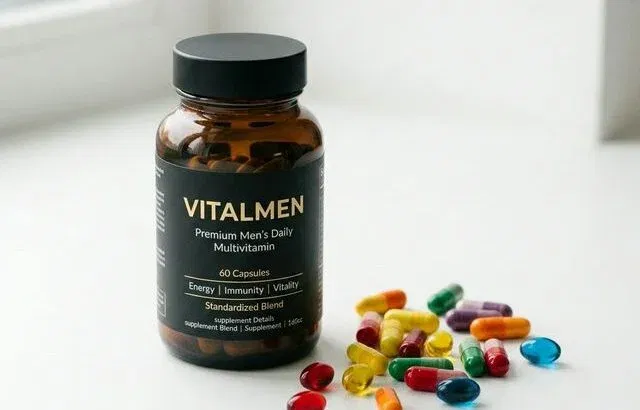
Here’s the uncomfortable truth about multivitamins: most men don’t need one. If you eat a reasonable diet, you’re already getting most essential nutrients. But if your diet is inconsistent, you’re over 50, you train hard, or you just want nutritional insurance — a good multivitamin can fill genuine gaps. Here are the best options in 2025, with an honest assessment of who actually benefits.
Best Multivitamins for Men: Top Picks
| Product | Price/mo | Forms | Best For |
|---|---|---|---|
| Thorne Basic Nutrients 2/Day | $24 | Methylated B’s, chelated minerals | Best overall — premium bioavailable forms |
| Ritual Essential for Men | $35 | Delayed-release, traceable | Best transparency — you know exactly what’s inside |
| Garden of Life mykind | $30 | Organic whole food-based | Best whole food-based — from real food sources |
| Now Adam Superior | $15 | Standard forms + extras | Best value — solid formula, great price |
| One A Day Men’s 50+ | $12 | Standard forms | Best budget for older men — prostate + heart focus |
| Athletic Greens AG1 | $79 | Powder, 75 ingredients | Best greens powder — if you hate pills |
Who Actually Needs a Multivitamin?
You likely need one if: You eat fewer than 5 servings of fruits/vegetables daily. You’re over 50 (B12 absorption decreases with age). You follow a restrictive diet (vegan, keto, elimination). You train intensely (higher nutrient demands). You rarely see sunlight (Vitamin D). You probably don’t need one if: You eat a varied diet with plenty of vegetables, protein, and whole grains. You already take individual supplements (D3, Magnesium, Omega-3). You’re under 50 and generally healthy.
What to Look For (and Avoid)
Look for: Methylated B vitamins (methylfolate, methylcobalamin — better absorbed than folic acid and cyanocobalamin). Chelated minerals (glycinate, citrate forms — absorb better than oxide forms). Vitamin D3 (not D2). Vitamin K2 MK-7. Avoid: Proprietary blends (they hide bad doses). Iron (men rarely need supplemental iron — excess increases heart disease risk). Mega-doses of anything (more is not better — excess B6 can cause nerve damage). Artificial colors and fillers.
Frequently Asked Questions
Should I take a multivitamin with or without food?
With food, always. Fat-soluble vitamins (A, D, E, K) need dietary fat for absorption. Taking a multivitamin on an empty stomach can also cause nausea. Best time: with breakfast or lunch. Avoid taking before bed as B vitamins can be stimulating for some people.
Can you take a multivitamin with other supplements?
Yes, but watch for overlap. If your multivitamin already contains Vitamin D3, don’t take a separate D3 supplement unless you adjust the dose. Same for zinc, B vitamins, and magnesium. Check the label and add up your total intake across all supplements. Upper limits exist for a reason — more is not always better.
Related Articles

Axel is the founder of ReadySleek and has spent over 5 years researching and testing men’s grooming products, skincare routines, and hair loss treatments. His work combines hands-on product testing with insights from dermatologists and trichologists to deliver evidence-based grooming advice.
He specializes in men’s skincare (including ingredient analysis of retinol, niacinamide, and SPF), hair loss science (minoxidil, finasteride, hair transplants), men’s fragrance (with 80+ colognes personally tested), and body grooming techniques.
When he’s not reviewing the latest grooming products, Axel focuses on making complex grooming topics accessible and actionable for everyday guys.