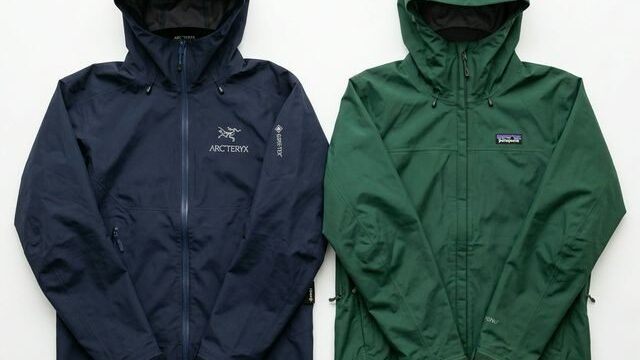
Arc’teryx and Patagonia are the two most respected premium outdoor brands in the world. Both make exceptional gear — but they appeal to different types of outdoor enthusiasts. One is pure technical performance; the other blends activism with adventure.
The Short Answer
Arc’teryx is the pinnacle of outdoor technical performance — the most advanced materials, construction, and weather protection money can buy. Patagonia combines excellent outdoor gear with industry-leading sustainability and environmental activism. Arc’teryx for hardcore performance; Patagonia for conscious adventurers.
Full Comparison
| Feature | Arc’teryx | Patagonia |
|---|---|---|
| Founded | 1989 (Vancouver, Canada) | 1973 (Ventura, California) |
| Price Range | ~$150–$900+ | ~$100–$600 |
| Shell Jacket | ~$400–$900 (Alpha, Beta series) | ~$200–$500 (Torrentshell, Triolet) |
| Key Technology | GORE-TEX Pro, Coreloft, WatertTight™ zippers | H2No, Nano Puff, Synchilla fleece |
| Construction | Micro-seam allowance, laminated panels | Standard outdoor construction |
| Best For | Alpine climbing, skiing, harsh conditions | Hiking, camping, casual outdoor |
| Urban Fashion | Very strong (adopted by streetwear) | Strong (clean outdoor aesthetic) |
| Sustainability | Good (ReBird program) | Industry leader (1% for the Planet, Worn Wear) |
| Warranty | Limited lifetime | Ironclad lifetime guarantee |
| Repair Program | Good (in-house repair) | Excellent (Worn Wear, free repairs) |
Technical Performance
Arc’teryx is unmatched in technical construction. Their shell jackets use GORE-TEX Pro with micro-seam allowances (1.5mm vs industry standard 6mm+), creating lighter, more weather-proof garments. WatertTight zippers eliminate the need for storm flaps. Die-cut foam inserts, laminated backer panels, and articulated patterning create jackets that move with your body while keeping out the worst weather.
Patagonia makes excellent outdoor gear, but doesn’t push the same technical boundaries. Their H2No waterproofing is very good but not GORE-TEX Pro level. The Nano Puff insulated jacket is outstanding for its weight-to-warmth ratio, and their Synchilla fleece remains a classic. For most outdoor activities — hiking, camping, travel — Patagonia’s performance is more than adequate.
Value and Ethics
Patagonia wins on ethics. The company donates 1% of all sales to environmental causes, pioneered Fair Trade Certified sewing, uses recycled materials extensively, and in 2022, founder Yvon Chouinard transferred ownership to a trust that gives all profits to fight climate change. No outdoor brand matches this commitment.
Arc’teryx is improving with their ReBird program (resale, repair, redesign), but sustainability is not their brand identity — performance is. They justify premium prices through superior engineering rather than ethical positioning.
Which Should You Buy?
Choose Arc’teryx if: You need the absolute best weather protection for alpine environments. You value cutting-edge materials and construction. You ski, climb, or spend time in extreme conditions. You want the most technically advanced outdoor gear available.
Choose Patagonia if: You want excellent outdoor gear with a clear conscience. You prioritize sustainability and ethical manufacturing. You hike, camp, and travel in moderate conditions. You want the best lifetime warranty in the industry.
Frequently Asked Questions
Why is Arc’teryx so expensive?
Arc’teryx uses the highest-grade materials (GORE-TEX Pro, premium down), proprietary construction techniques (micro-seam allowance, laminated panels), and extensive quality control. Each jacket involves more precise cutting, more labor, and more expensive components than any competitor. You’re paying for measurable engineering superiority.
Is Patagonia worth the price over North Face?
Yes, for the quality and ethics. Patagonia’s materials, construction, and lifetime warranty are superior to North Face in most categories. Their environmental commitment is unmatched. The price premium over North Face is typically 20-40% for comparable quality upgrades.

Axel Lander is the founder and editor of ReadySleek. He publishes practical guides on men’s style, grooming, and fragrance, with a focus on clear comparisons, value, and the trade-offs readers should know before deciding.